
Product range · manufacturer in India
Banana Fibre Pulp Molding Machine Manufacturer in India
Equipment for turning banana stems and other plant fibres into pulp and molded products, including biodegradable tableware.
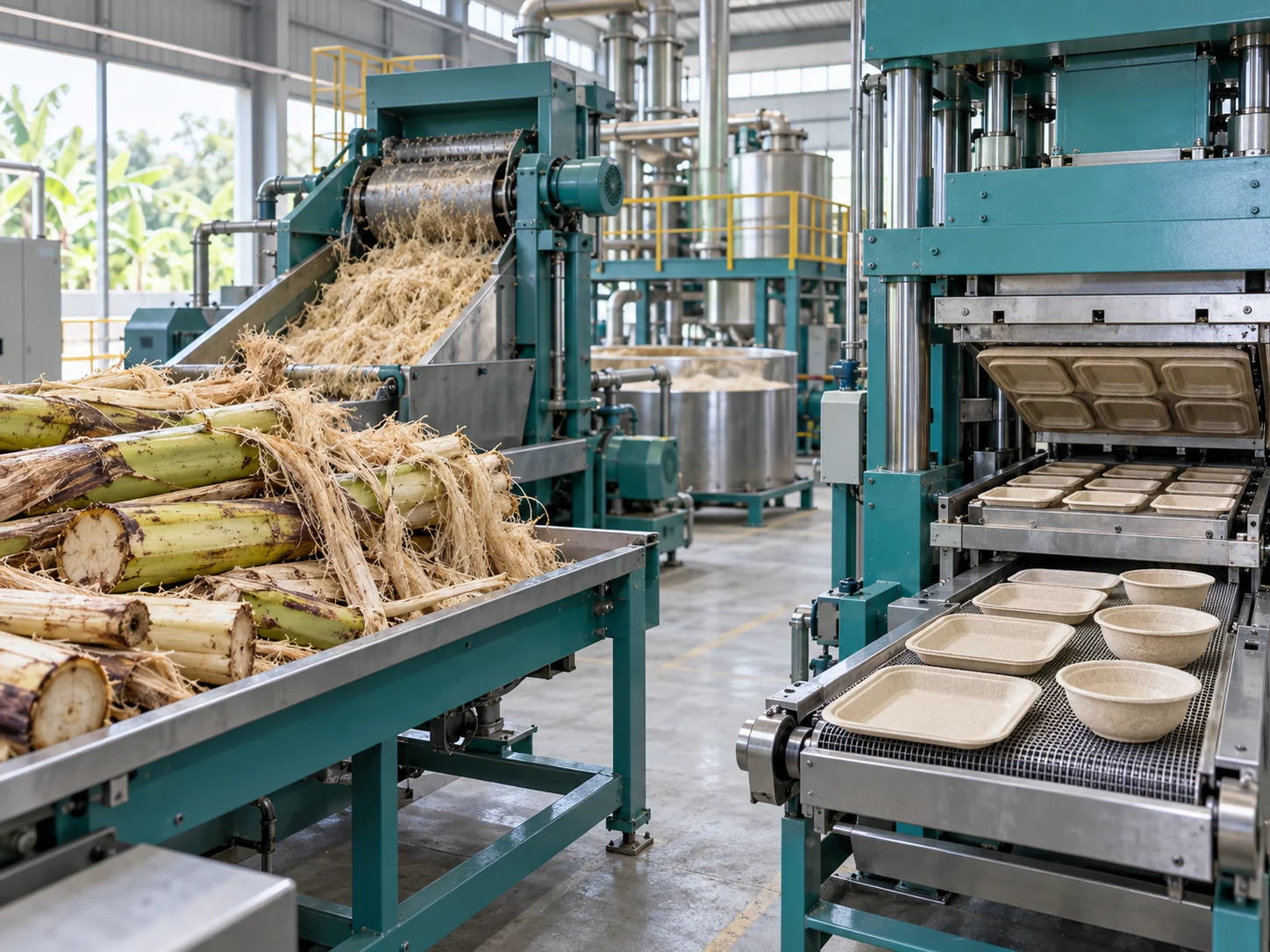 Representative imagery
Machines in this range
Explore the
equipment.
7 machines in this range. Select a machine to review its available details, then tell us your material and capacity for a tailored quotation.
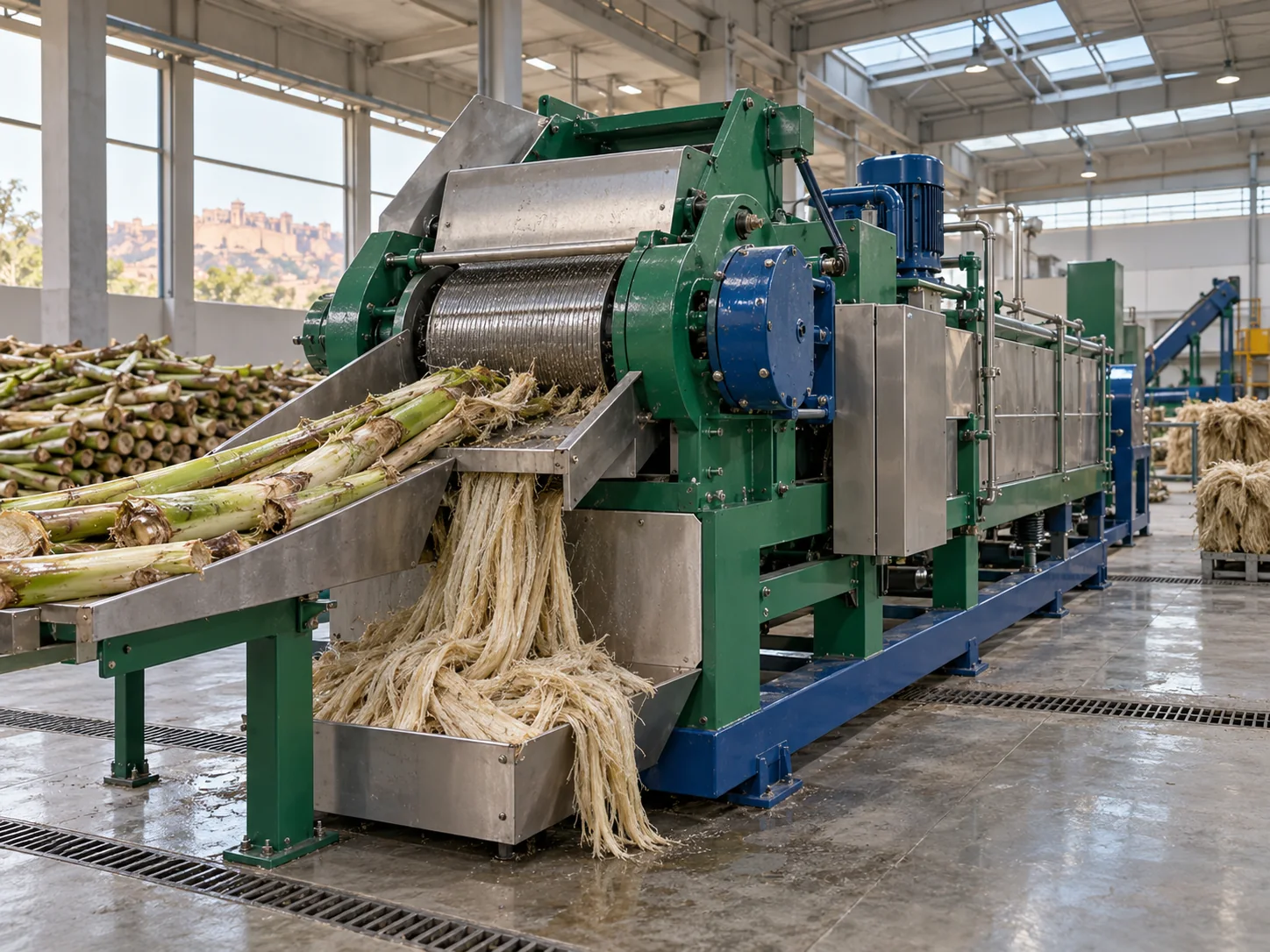 Banana Fiber Extractor MachineThe Banana Fiber Extractor Machine extracts long, strong fibres from banana stems, converting agricultural waste into clean raw fibre for pulp moulding and speciality paper.View details02
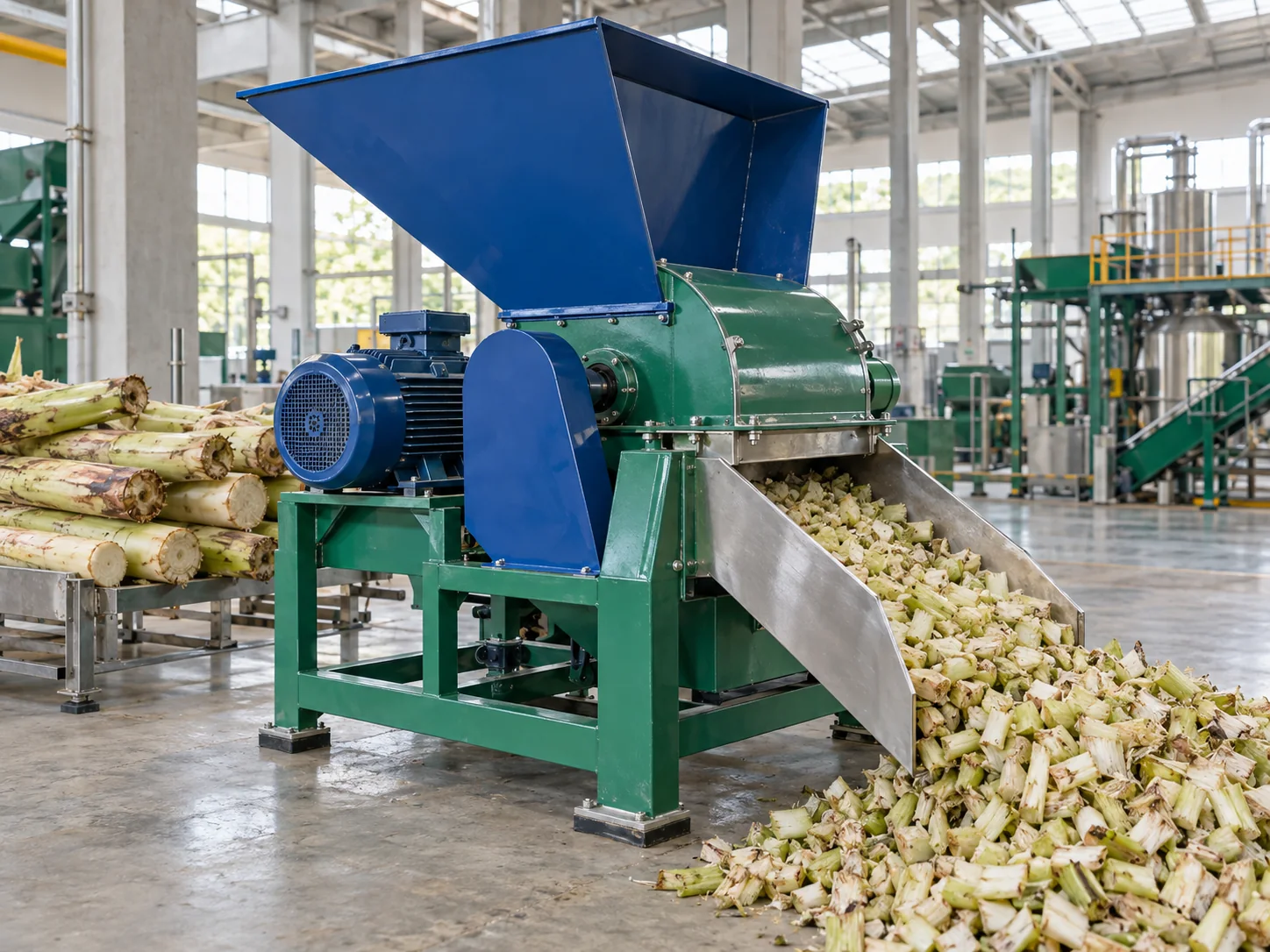 Banana Stem Cutting MachineThe Banana Stem Cutting Machine chops banana stems into small, uniform pieces to feed the fibre extractor, streamlining banana-fibre pulp preparation.View details03
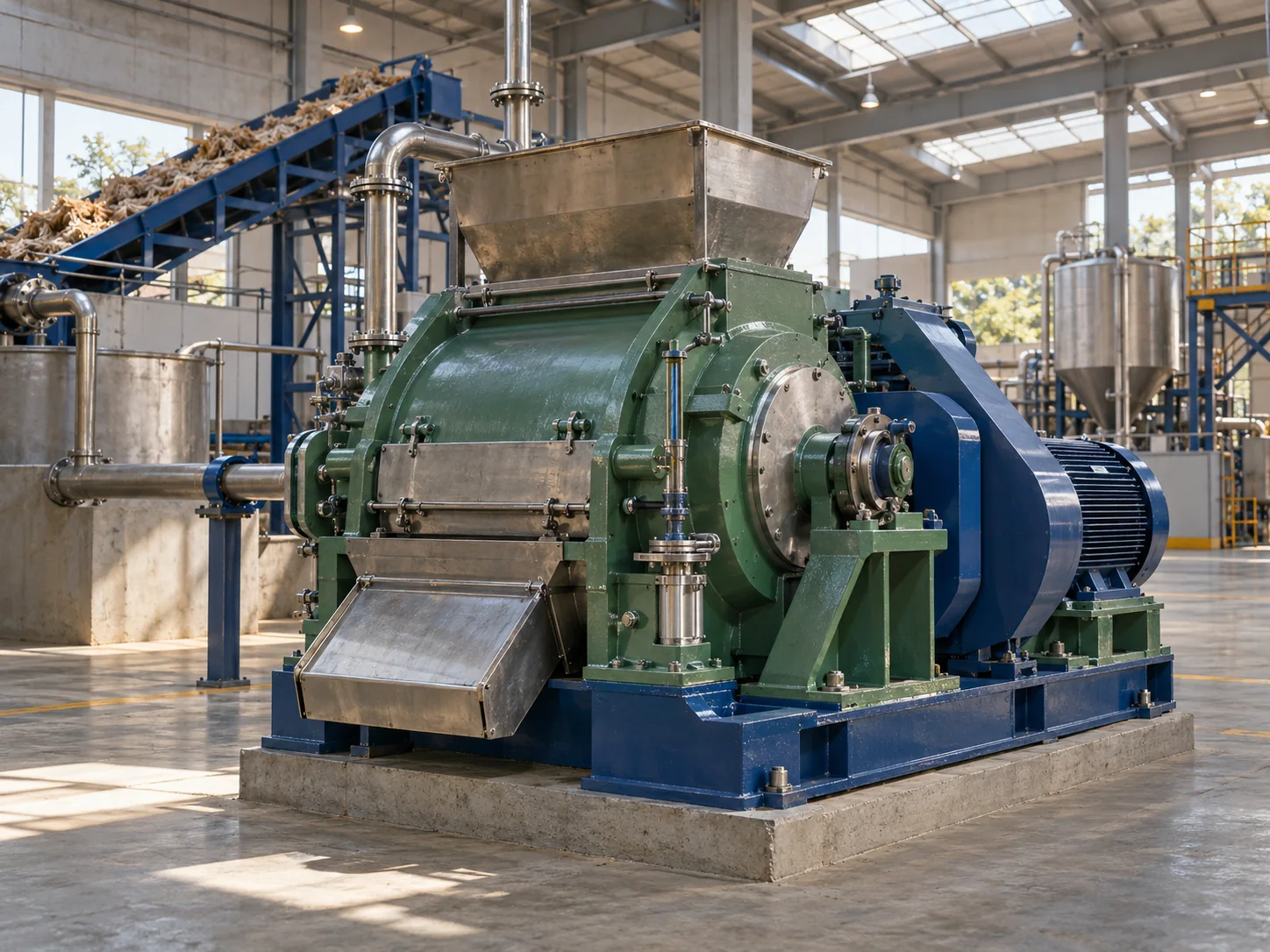 BeaterThe Beater macerates and refines pulp through a roll-and-bedplate action, cutting and brushing the fibres to the quality needed in a banana-fibre pulp moulding line.View details04
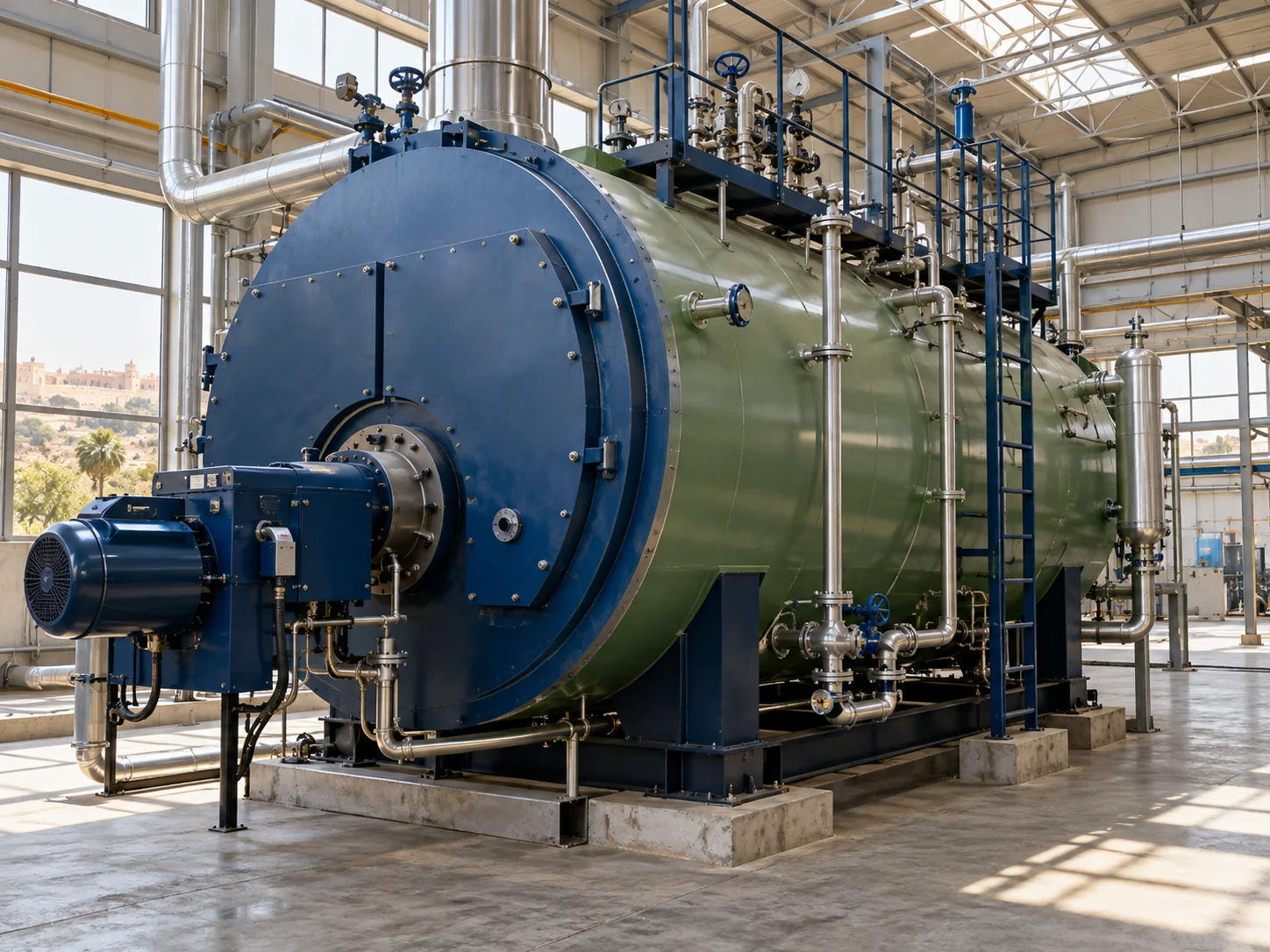 BoilerThe Boiler supplies process steam to a banana-fibre pulp moulding line, powering the dryer section and other heating needs of the plant.View details05
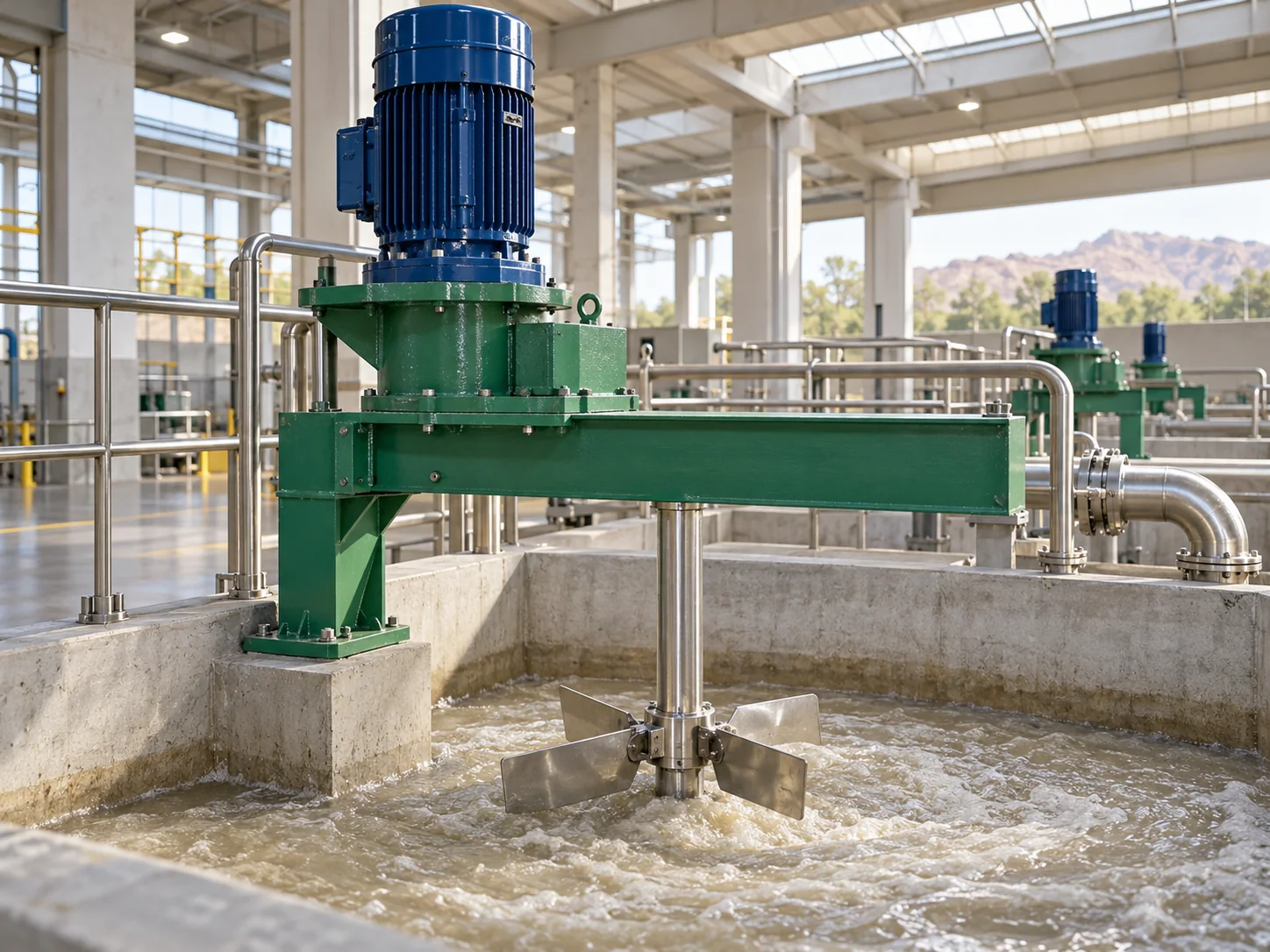 Chest AgitatorThe Chest Agitator keeps pulp stock uniformly mixed inside chests and tanks of a banana-fibre pulp moulding line, preventing fibre settling and maintaining a consistent slurry.View details06
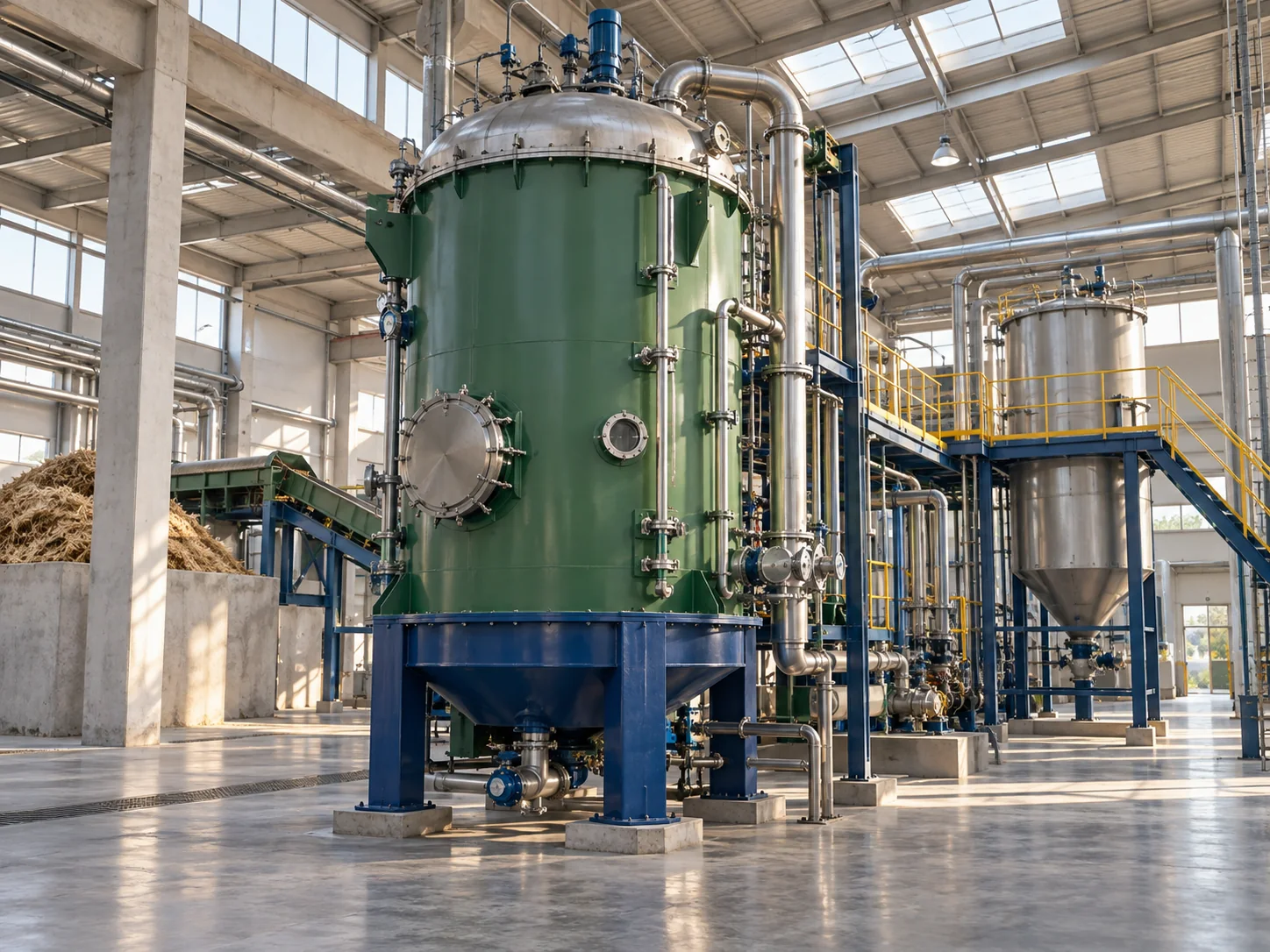 DigestorThe Digestor cooks raw fibre such as agro-residue and waste into pulp, softening and separating the fibres for downstream processing in a banana-fibre pulp moulding line.View details07
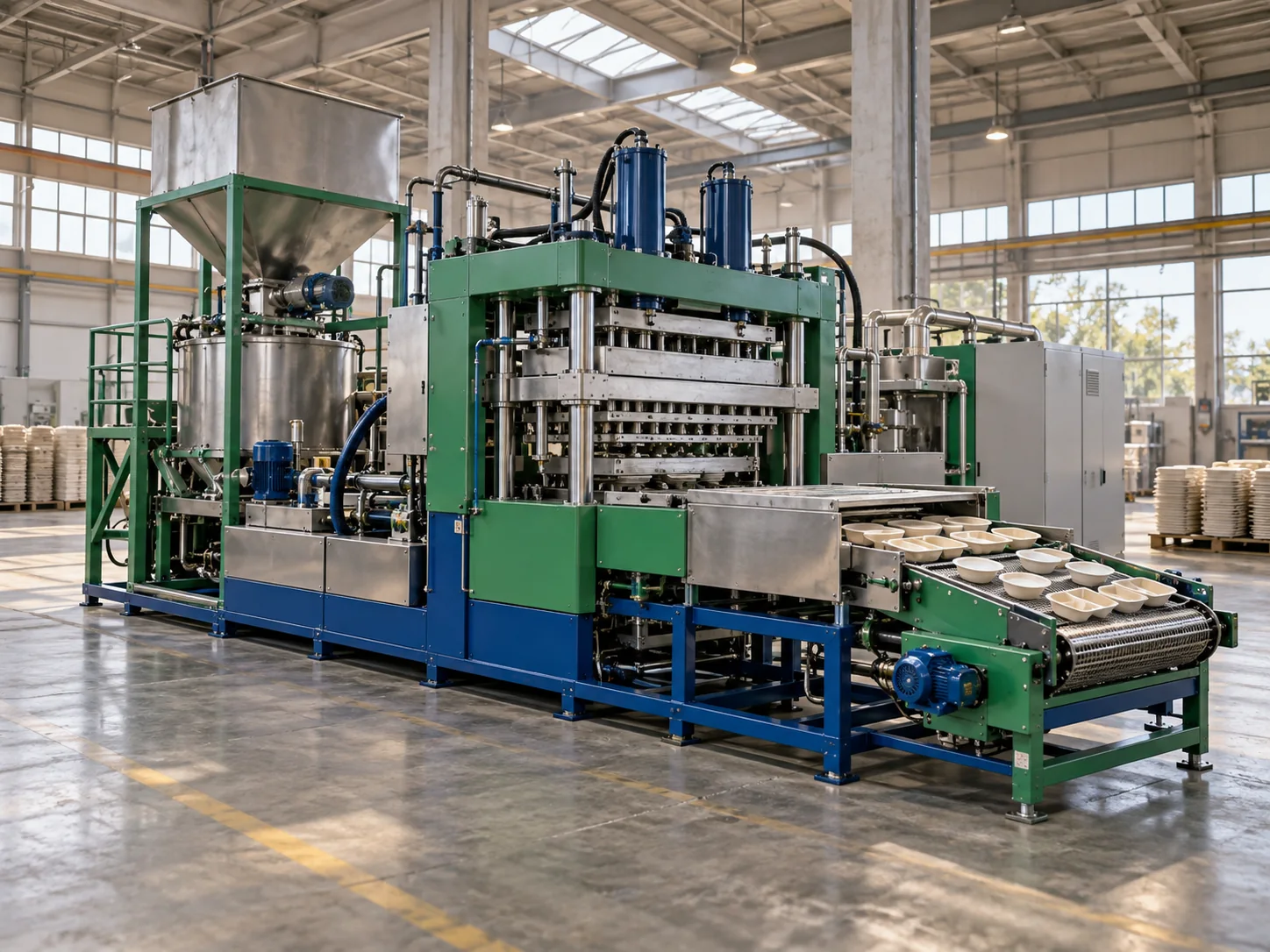 Multifunctional Tableware Pulp Molding MachineThe Multifunctional Tableware Pulp Molding Machine moulds pulp into disposable, biodegradable tableware such as plates, bowls and trays from bagasse, banana fibre or waste-paper pulp.View details
 ABOUT THIS RANGE
Banana Fiber Pulp Molding Machine Manufacturer
MEW Machines manufactures banana fiber pulp molding machines and related equipment for processing banana fiber and producing eco-friendly molded pulp products. Banana fiber is a sustainable natural fiber that can be used in paper, pulp, packaging, molded products, and other eco-friendly applications.
Banana fiber pulp molding involves processing banana stem or banana fiber into usable pulp and forming it into desired products. This type of machinery is useful for businesses focused on sustainable packaging, agricultural waste utilization, fiber-based products, and eco-friendly manufacturing.
Applications
Important Machinery
Benefits
Why Choose MEW Machines
Banana Fibre Processing in India: From Plantation Waste to Pulp Products
India is the world’s largest banana producer, and every banana plant gives one bunch of fruit. After harvest, the pseudostem, the thick trunk of the plant, is cut down and usually left to rot or burnt in the field. That stem is full of long, strong fibre. A banana fibre unit turns this free farm waste into fibre, pulp, paper and molded products, and it can be set up right next to the plantations that supply it.
Where banana fibre units make sense
Banana is grown across India, with large plantations in Andhra Pradesh, Maharashtra (the Jalgaon belt is well known), Gujarat, Tamil Nadu, Uttar Pradesh, Karnataka, Kerala and Bihar. In Uttar Pradesh, Kushinagar has banana fibre products as its One District One Product (ODOP), and hundreds of women there have been trained to turn the fibre into yarn, ropes, bags, mats and crafts. The same raw material, pulped instead of spun, becomes paper and molded tableware.
Fresh stems are heavy with water and bulky to move, so the first rule is location: set up within a short tractor or truck run of the plantations. A unit can sign supply arrangements with farmers or Farmer Producer Organisations (FPOs), who are glad to have the stems cleared after harvest.
What banana fibre becomes
- Raw fibre: for yarn, rope, handicrafts and textile blends.
- Pulp for paper and board: handmade paper, specialty paper and board, alone or blended with other fibres.
- Molded tableware: plates, bowls and trays, since India banned single-use plastic plates, cups and cutlery in July 2022.
- Compost: the soft leftover material returns to the fields.
The process, step by step
| Step | Machine | Notes for Indian units |
|---|---|---|
| 1. Cutting | Banana stem cutting machine | Process stems soon after harvest, before they start to rot. |
| 2. Fibre extraction | Banana fibre extractor | Separates fibre from the stem; the fibre is then washed and dried. |
| 3. Cooking | Digester with boiler | Softens the fibre into pulp; plan how you will treat the cooking liquor. |
| 4. Beating | Beater and chest agitator | Refines and holds the pulp at an even consistency. |
| 5. Forming | Tableware pulp molding machine | Forms plates, bowls and trays; the same machine runs bagasse or paper pulp. |
Three ways to start
- Fibre only: a cutting machine and extractor, selling fibre to craft groups, spinners and paper units. Lowest investment, and a good fit for self-help groups and FPOs.
- Fibre and pulp: add the digester, boiler and beater, and sell pulp or make handmade paper.
- Integrated unit: add the tableware molding machine and make finished plates and bowls from your own pulp, blending in bagasse or paper pulp when banana supply is low.
You can start with step 1 and add machines as your market grows; every machine in the line is built to connect with the next.
Setting up the unit
- Power: three-phase 415V for the extractor, beater and molding machine.
- Water: needed for washing fibre and for pulping; plan reuse and a soak pit or treatment for cooking effluent.
- Space: an open yard for stems and fibre drying, a shed for the machines, and clean covered space if you make tableware.
- Approvals: Udyam and GST registration, and State Pollution Control Board consent if you run a digester.
Finance and schemes
Rural fibre units are often financed through PMEGP, bank loans or state ODOP and agro-processing schemes, and SHGs and FPOs may have access to further support through their state rural livelihood missions. Your District Industries Centre or agriculture department can tell you what applies in your district.
Delivery and support
We build the complete banana fibre line in Jaipur and deliver by road to any state. We guide installation and the first runs on your own stems, because fibre quality depends on the banana variety and how fresh the stems are.
Planning your stem supply
Banana is harvested in many regions through much of the year because planting is staggered, but supply from any one village rises and falls. Map the plantations within your collection radius, talk to farmers about their harvest timing, and agree how stems will be cut and delivered. Stems left too long in the field start to rot and give weaker fibre, so collection and processing should be quick.
Selling banana fibre and products
- Fibre: handicraft groups, rope and mat makers, yarn spinners and textile blenders.
- Pulp and paper: handmade paper units, specialty paper makers and craft paper buyers.
- Tableware: the same distributors, caterers and food businesses that buy bagasse plates.
Buyers in export craft and eco-product markets often pay more for well-graded, clean fibre, so washing, drying and grading are worth doing well.
Fibre quality
Good banana fibre is long, clean, evenly dried and free of pith. Quality depends on the banana variety, how fresh the stem is, how it is extracted and how quickly it is washed and dried. Grade fibre by length and colour before you sell it.
Running costs and mistakes to avoid
The stems themselves are cheap or free, so your main costs are collection transport, labour, electricity and, if you pulp, boiler fuel. The most common mistakes are setting up too far from plantations, letting stems wait until they rot, and drying fibre on bare ground where it picks up dirt. Start with fibre extraction, learn your supply, then add pulping.
A simple first-year plan
- Months 1–2: map plantations, agree stem supply with farmers or an FPO, and find two or three fibre buyers.
- Months 2–4: set up the stem cutter and fibre extractor, train operators, and sell graded fibre.
- Months 4–8: learn your supply and quality through the seasons, and test pulp samples with paper and tableware buyers.
- Months 8–12: if the market is there, add the digester, boiler, beater and molding machine.
This step-by-step approach keeps early investment small and lets the unit earn from fibre while you build the pulp business. Banana pulp also blends well into handmade paper, which gives a second outlet close to home.
Water and effluent
Fibre extraction and washing use water, and digesting produces a dark cooking liquor that must not go straight into drains or fields. Plan a settling pit and treatment for this effluent before you install the digester, and reuse washing water where you can. A fibre-only unit has a much smaller effluent load, which is another reason to start with extraction and add pulping once you have planned treatment with your pollution control board.
What decides the cost
We quote every line to your plan, so we don’t publish a fixed price. How many stems you will process a day, whether you stop at fibre or go on to pulp and tableware, and the size of the digester and boiler decide the cost. Tell us your district, stem supply and end product, and we will send a machine list and layout.
FAQs
Can I start with banana fibre extraction only?
Yes. A stem cutting machine and fibre extractor let you sell raw fibre to craft groups and paper units. You can add the digester, beater and molding machine later.
Where should a banana fibre unit be located?
Close to banana plantations, because fresh stems are heavy and bulky. Major banana states include Andhra Pradesh, Maharashtra, Gujarat, Tamil Nadu and Uttar Pradesh.
What is a banana fiber pulp molding machine used for?
It is used to process banana fiber or banana stem-based pulp for molded pulp products, packaging, and fiber-based applications.
Can banana stem waste be used for production?
Yes. Banana stem and banana fiber can be processed for eco-friendly pulp and fiber-based products, depending on the production process.
Does MEW Machines supply banana fiber processing machinery?
Yes. MEW Machines supplies banana fiber extractor machines, stem cutting machines, and related pulp processing equipment.
Discuss your requirements
Plan your Banana Fiber Pulp Molding Machine project.
Share the material you process and the output you need for a tailored quotation.