
Product range · manufacturer in India
Egg Tray Making Machine Manufacturer in India
A focused line for converting recycled paper pulp into molded egg trays, from pulping and mixing to forming.
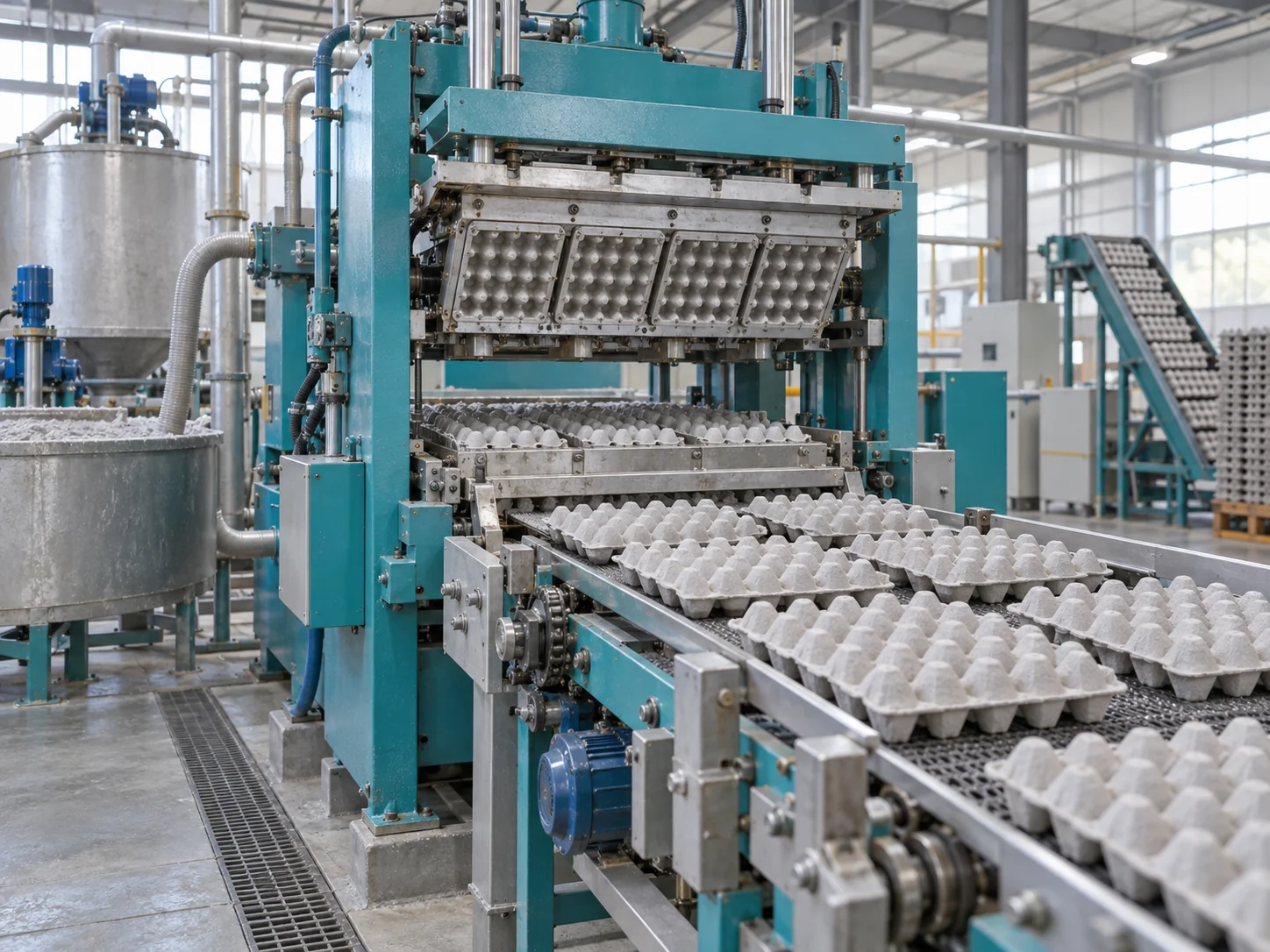 Representative imagery
Machines in this range
Explore the
equipment.
3 machines in this range. Select a machine to review its available details, then tell us your material and capacity for a tailored quotation.
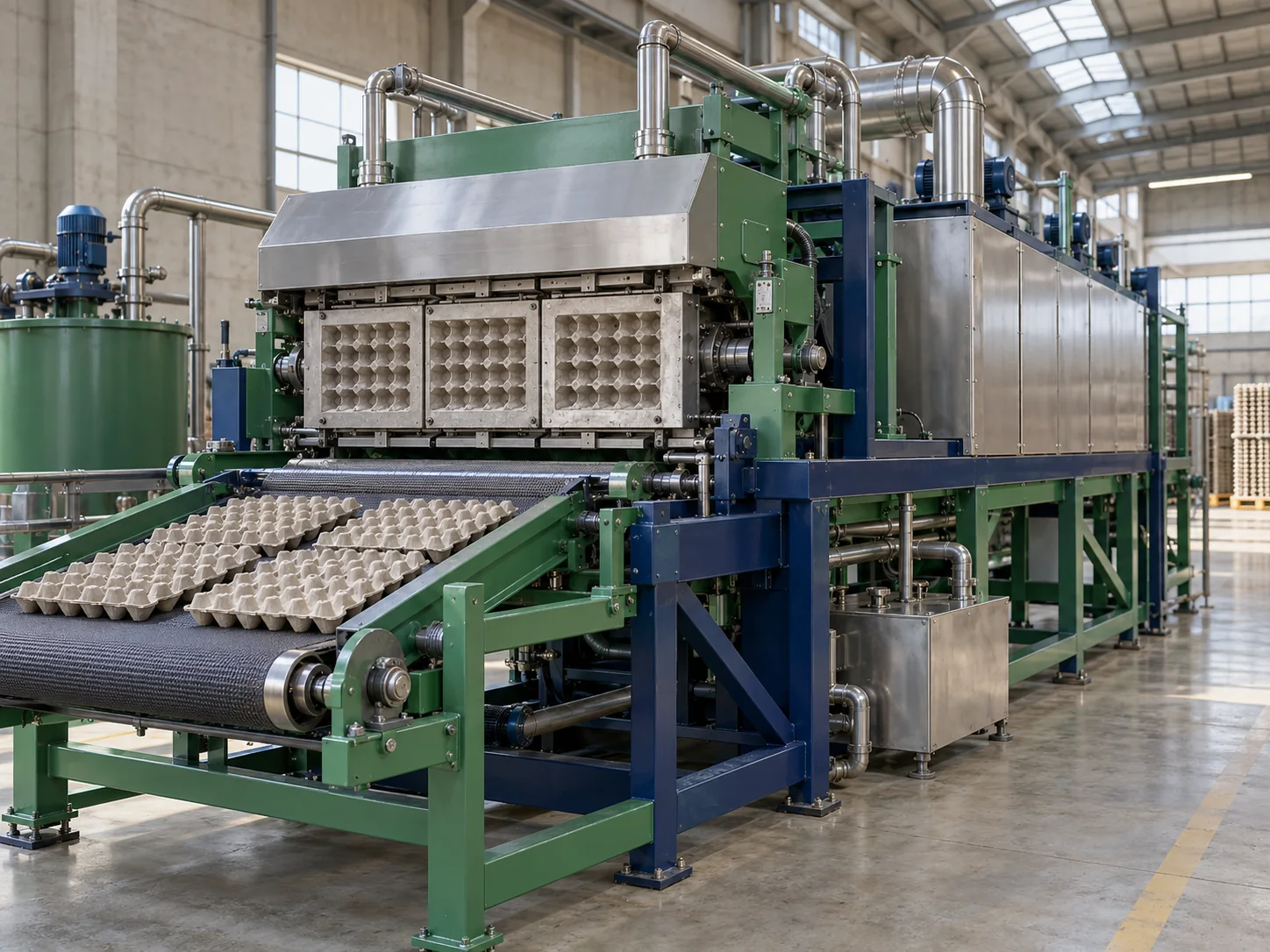 1X3 Molding Egg Tray MachinesThe 1X3 Molding Egg Tray Machines produces paper egg trays from waste-paper pulp, forming, transferring and drying trays in a continuous, high-output cycle.View details02
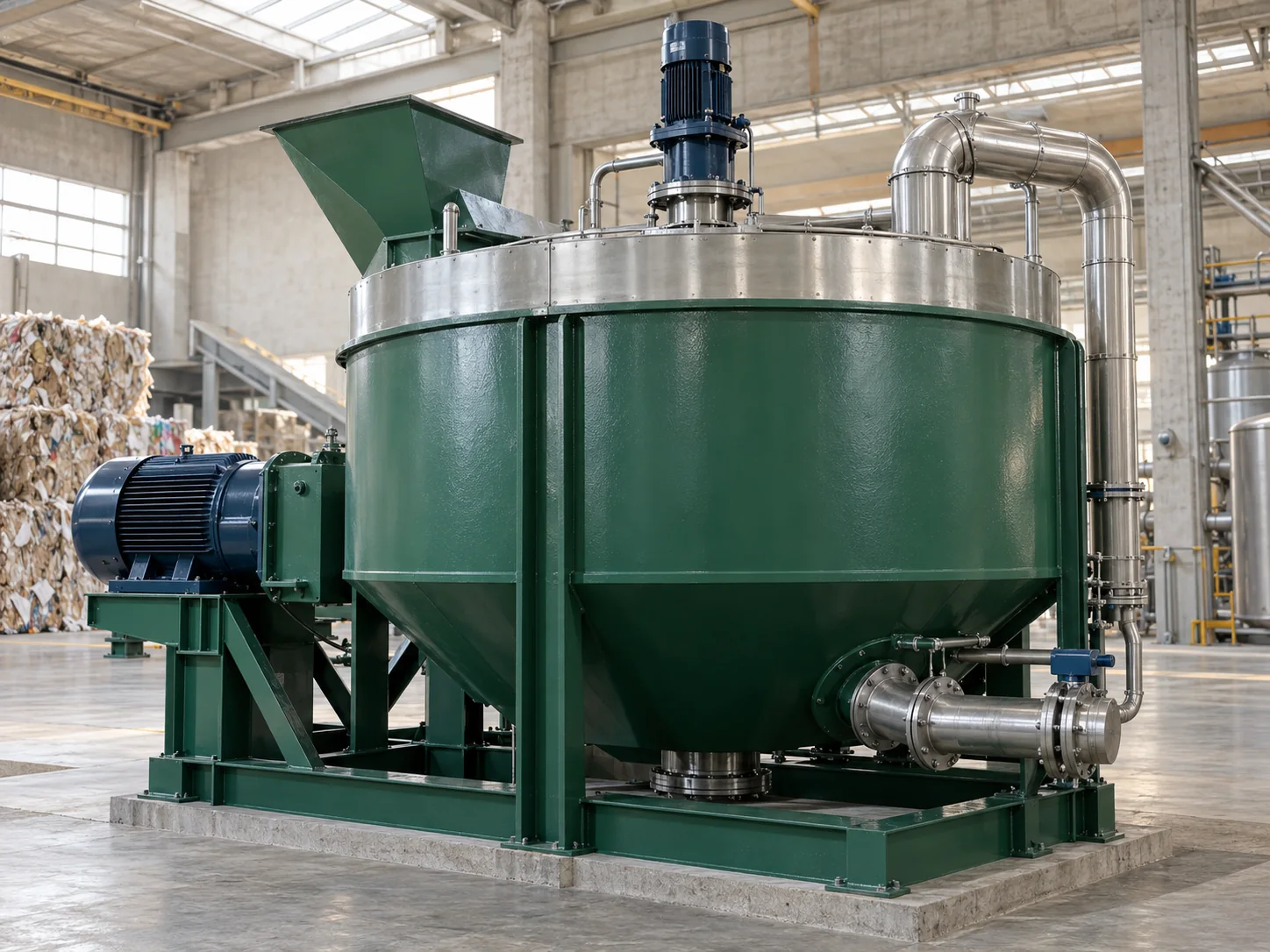 Hydro Pulper Egg Tray Molding MachineThe MEW Hydro Pulper is a high-efficiency hydro pulper machine that rapidly converts waste paper, kraft and board into a uniform fibre slurry — the essential first stage of any egg tray moulding plant.View details03
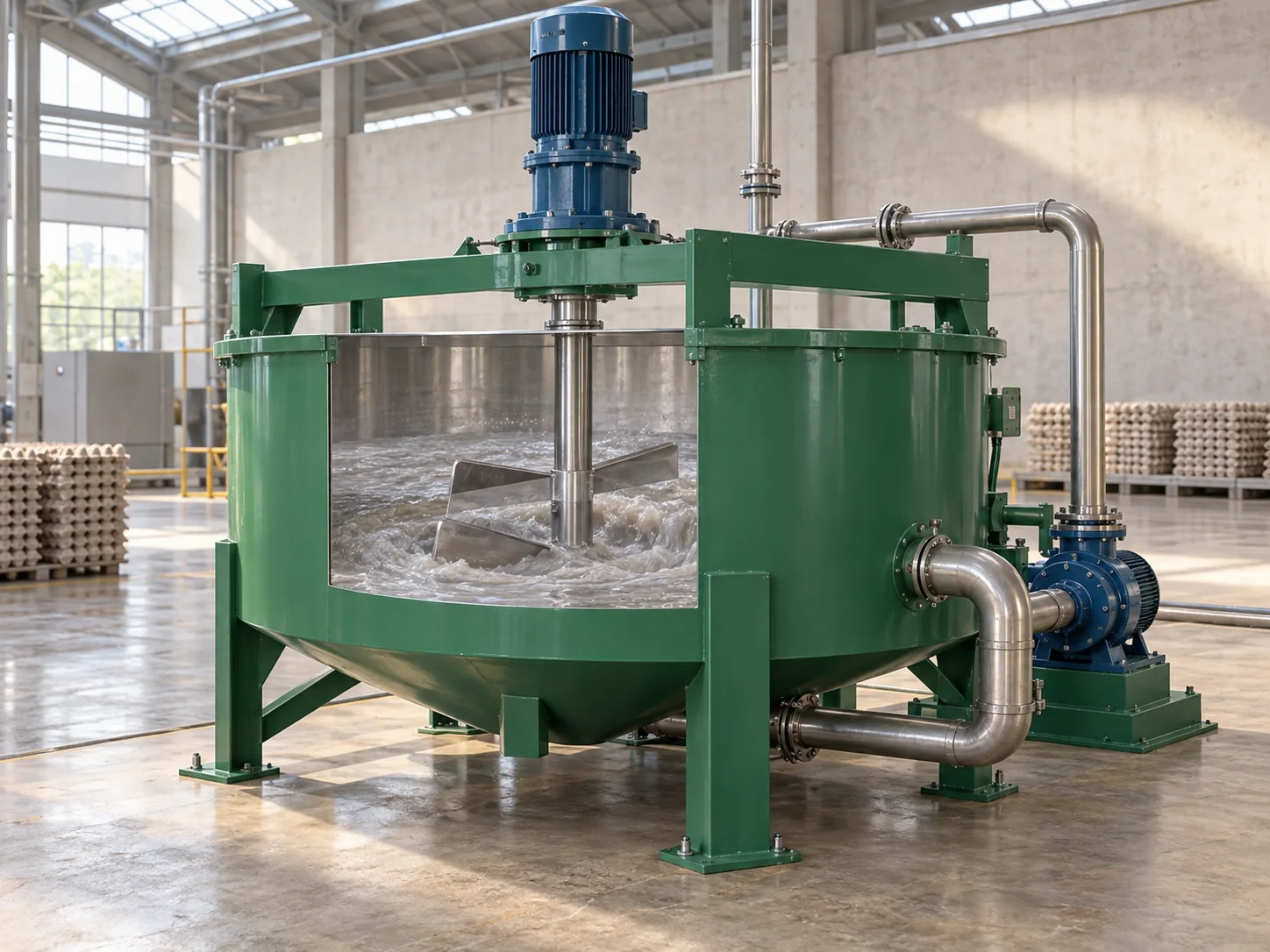 Slurry Tank Mixer Egg Tray Molding MachineThe Slurry Tank Mixer Egg Tray Molding Machine keeps the pulp slurry uniformly mixed before moulding, ensuring an even fibre distribution for consistent, high-quality egg trays.View details
 ABOUT THIS RANGE
Egg Tray Molding Machine Manufacturer
MEW Machines manufactures egg tray molding machines for producing egg trays and molded pulp packaging products from recycled paper pulp. Egg tray molding is a practical business option for buyers who want to use waste paper and recycled pulp to manufacture eco-friendly packaging products.
An egg tray molding machine works by converting paper pulp into molded trays using forming molds. The process generally includes waste paper pulping, pulp mixing, molding, water removal, drying, and final collection. The final product can be used for egg packaging, poultry farms, egg suppliers, transport packaging, and related molded pulp applications.
Applications
Important Machinery
Raw Materials
Benefits
Why Choose MEW Machines
Egg Tray Making Machine in India: Market, Setup and Support
India produced 142.77 billion eggs in 2023–24, according to the government’s Basic Animal Husbandry Statistics 2024, making it the world’s second-largest egg producer. Most of those eggs travel from farm to wholesaler to shop on 30-egg paper pulp trays, and trays are used, damaged and replaced every day. That steady, local demand is why an egg tray unit is one of the most practical molded pulp businesses to start in India.
Where the demand is
Egg production is concentrated in a few states. Andhra Pradesh (17.85% of national output), Tamil Nadu (15.64%), Telangana (12.88%), West Bengal (11.37%) and Karnataka (6.63%) lead, and there are large poultry belts around Namakkal in Tamil Nadu and Barwala in Haryana. Trays are light but bulky, so freight eats into margins on long routes. The best location for a tray unit is within a short truck run of poultry farms and egg traders.
Egg trays are not the only market. With different moulds, the same line makes fruit trays (apple growers in Himachal Pradesh and Jammu & Kashmir use them), cup carriers, bottle trays and protective inserts, which helps you keep the machine busy all year.
How much can one line make?
| Model | Output per hour | Output per 8-hour shift | Suits |
|---|---|---|---|
| Semi-automatic, small | 900 trays | About 7,200 trays | A first unit supplying local traders and farms |
| Semi-automatic, medium | 1,500 trays | About 12,000 trays | A unit supplying a district’s poultry farms |
| Semi-automatic, large | 3,000 trays | About 24,000 trays | Large farms, integrators and egg wholesalers |
Shift figures are running output; actual output depends on drying capacity, mould changes and downtime. Many Indian units start with one shift and add a second once buyers are in place.
Drying egg trays in Indian weather
From October to May, sun drying works in most of India: wet trays on racks in an open yard dry in a day and cost nothing to run. The monsoon changes that. From June to September, sun drying becomes unreliable across most of the country, and coastal regions stay humid for longer. Units that must supply farms every day, or that run the 3,000 trays/hour model, add a dryer so output does not depend on the weather. Tell us your location and we will suggest whether to start with sun drying, covered drying or a dryer.
Raw material
Egg trays are made from the cheapest waste paper: old newspapers, used cartons and mixed office paper, bought from local scrap dealers. Rejected trays go straight back into the hydro pulper, so there is almost no waste. Line up two or three suppliers before the machine arrives so you are never short of paper.
Power, water and space
- Power: three-phase 415V; connected load is 35–60 kW depending on the model.
- Water: about 1–2 m³ per hour on the 1,500 trays/hour model; most process water can be settled and reused.
- Space: a covered shed for the pulper, slurry tank mixer and molding machine, a drying yard or dryer, and covered storage, because trays take up a lot of room before dispatch.
Registrations and finance
Register the unit under Udyam and GST, and check with your State Pollution Control Board about consent for a small pulp molding unit. Egg tray units can often be financed through PMEGP or MUDRA loans because the investment is modest and demand is local. Your District Industries Centre or bank can confirm the scheme limits that apply to you.
Delivery and support
We build the complete line in Jaipur and deliver by road anywhere in India: about 65 days for the 900 trays/hour model, 90 days for the 1,500 model and 120 days for the 3,000 model. We guide installation and the first production runs, and spare moulds and wear parts come from the same workshop that built your machine.
Selling egg trays in India
Your buyers are poultry farms, egg traders and wholesalers, and the transporters who move eggs between states. Large layer farms buy by the truckload on a regular schedule; smaller farms buy weekly from local suppliers. Fruit packers, especially apple growers in the hills during the harvest season, buy fruit trays. Talk to farms and traders within your delivery range before you order the machine, and ask what tray type, weight and delivery frequency they want.
Quality buyers check
- Strength: trays are stacked many high on trucks, so the bottom trays must not crush.
- Cell shape: cells must hold eggs firmly without cracking them.
- Dryness: damp trays grow mould and stain eggs; dry trays fully before baling.
- Consistent weight: tray weight affects both strength and your raw material cost.
Running costs to plan for
The main monthly costs are waste paper, electricity, labour and, if you use a dryer, fuel. Waste paper is the biggest item, so the price you can buy it at in your town matters. Sun-dry units save fuel but need more yard space and labour to lay out and collect trays.
Mistakes to avoid
- No monsoon plan: a sun-dry unit with no covered drying loses weeks of output every year.
- Too little storage: trays are bulky; plan covered storage for several days of output.
- Setting up far from buyers: freight on light, bulky trays eats your margin.
- A weak raw material chain: line up more than one waste paper supplier.
Start semi-automatic, grow later
All three of our standard models are semi-automatic: the machine forms the trays and workers handle loading, drying and stacking. That keeps the investment low and suits Indian labour costs. As your orders grow, you can add a second forming machine, a larger pulper or a dryer, rather than replacing the whole line. Plan your shed and power sanction with that growth in mind.
More than one product
The same forming machine can run different moulds: standard 30-egg trays, fruit trays for apples and other fruit, cup carriers for tea and beverage outlets, and bottle trays. Having two or three products lets you keep the machine running when egg tray demand dips, and fruit trays in particular sell well in the harvest season.
Before the machine arrives
- Get the three-phase power connection and a panel sized for the model you ordered.
- Lay a level floor with drains and build the water and settling tanks.
- Prepare racks or a dryer area, and covered storage for finished trays.
- Stock at least two weeks of waste paper and line up your first buyers.
- Choose operators to train during installation, so they learn on your own machine.
What decides the cost
We quote every line to your output, so we don’t publish a fixed price. Output per hour, the level of automation, the drying method and the number of moulds decide the cost. Send us your target output, your town and whether you plan to sun-dry, and we will send a machine list and layout.
FAQs
How many egg trays can one machine make in a day?
At running speed, about 7,200 trays per 8-hour shift on the 900 trays/hour model, 12,000 on the 1,500 model and 24,000 on the 3,000 model. Actual output depends on drying capacity and downtime.
Where should I set up an egg tray unit in India?
Close to poultry farms and egg traders, because trays are bulky and freight is costly. The leading egg states are Andhra Pradesh, Tamil Nadu, Telangana, West Bengal and Karnataka.
What raw material is used in egg tray molding machines?
Egg tray molding machines commonly use waste paper, old newspapers, cartons, and recycled paper pulp.
What is the use of an egg tray molding machine?
It is used to produce molded pulp egg trays for poultry farms, egg suppliers, and packaging businesses.
Can MEW Machines help with machine selection?
Yes. MEW Machines can guide buyers based on required output, raw material, budget, and production setup.
Discuss your requirements
Plan your Egg Tray Molding Machine project.
Share the material you process and the output you need for a tailored quotation.