
Product range · manufacturer in India
Cotton Paper Recycling Machine in India
Machinery for processing cotton rags and textile waste into handmade and specialty paper, from fibre preparation to finishing.
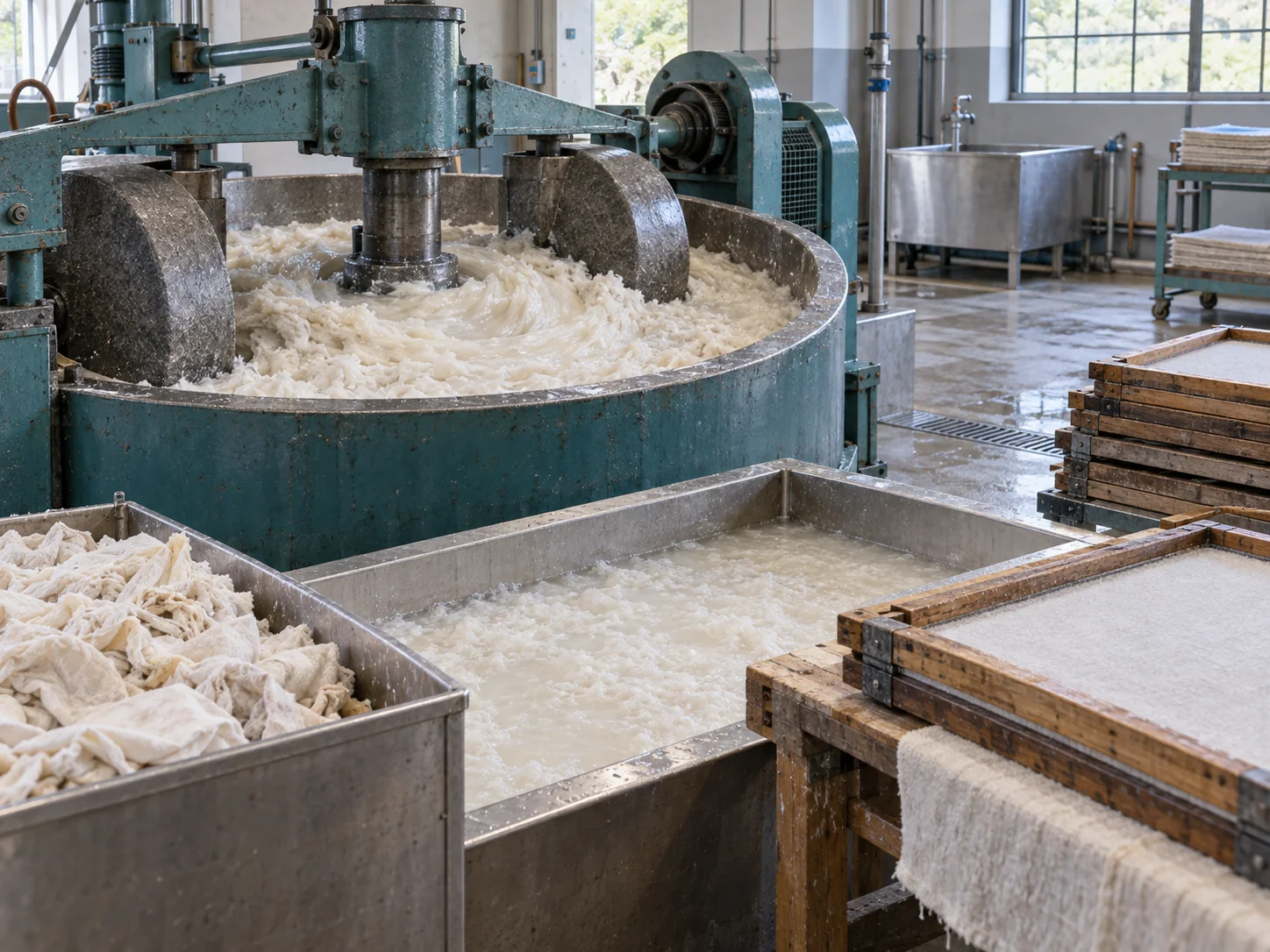 Representative imagery
Machines in this range
Explore the
equipment.
8 machines in this range. Select a machine to review its available details, then tell us your material and capacity for a tailored quotation.
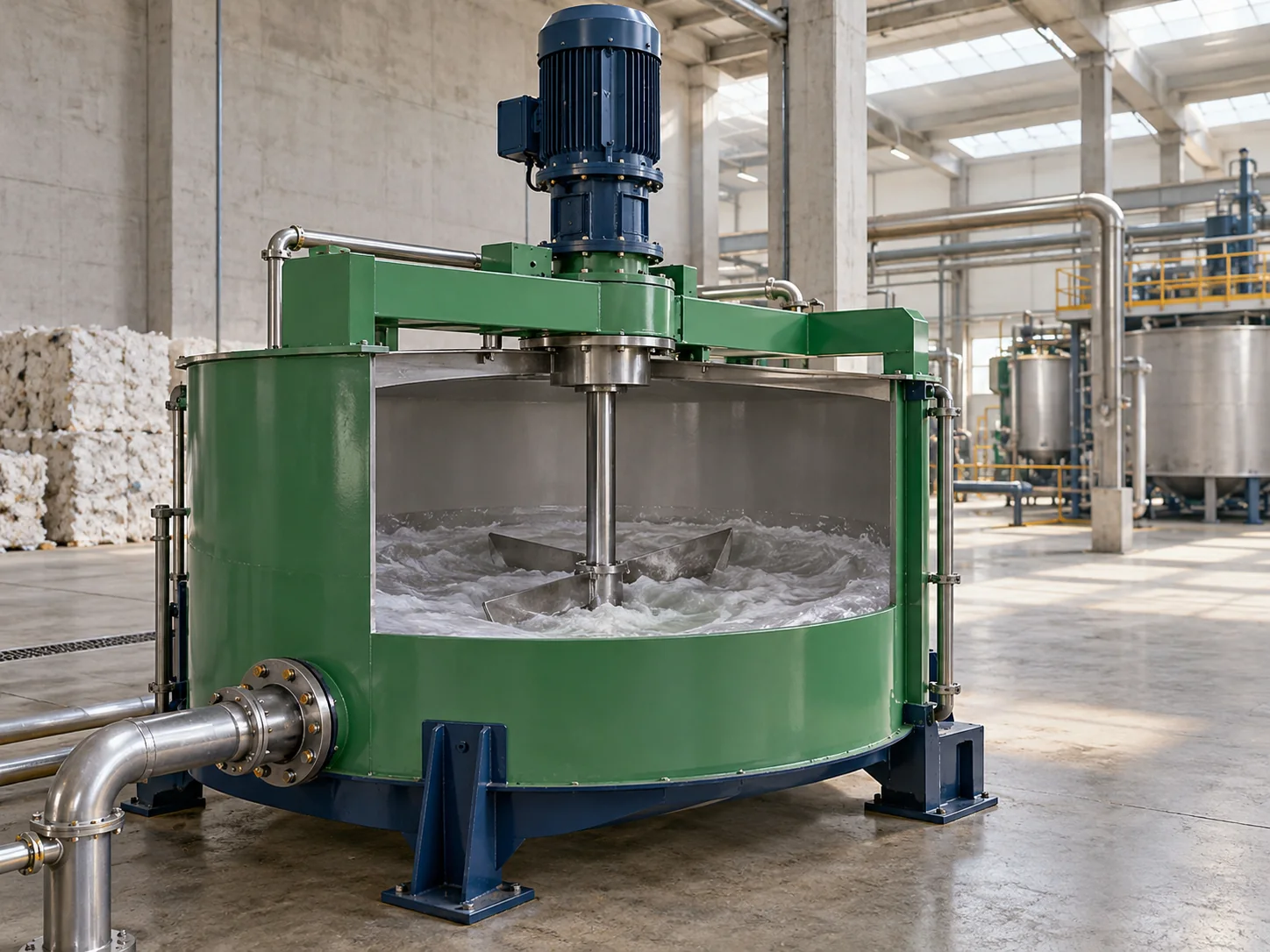 Chest Agitator Of Cotton Paper Recycling MachinesThe Chest Agitator Of Cotton Paper Recycling Machines keeps pulp stock uniformly mixed inside chests and tanks of a cotton paper recycling plant, preventing fibre settling and maintaining a consistent slurry.View details02
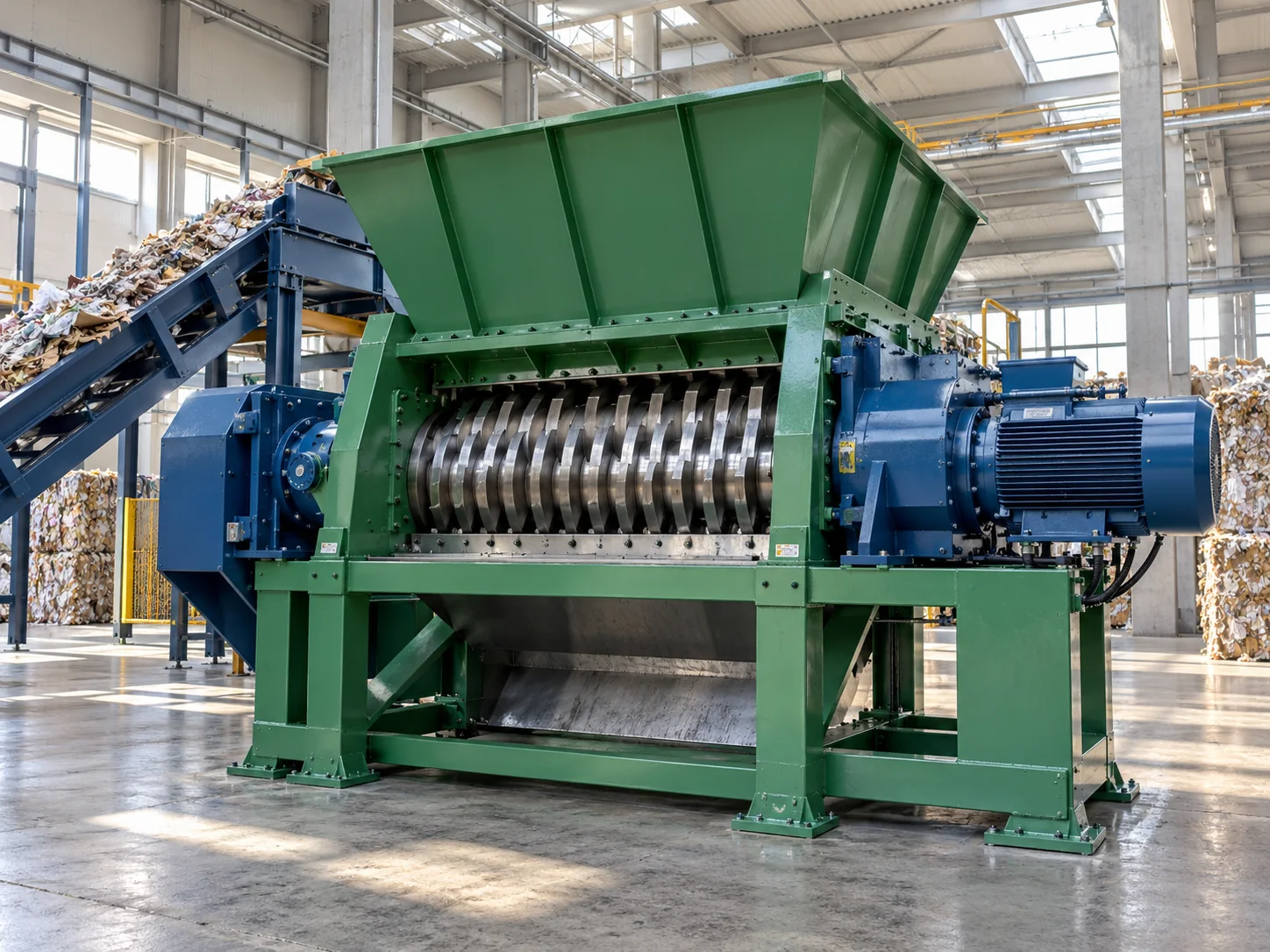 Cutting MachineThe Cutting Machine cuts raw material such as rags, waste paper and board to a uniform size for pulping, improving pulper efficiency in a cotton paper recycling plant.View details03
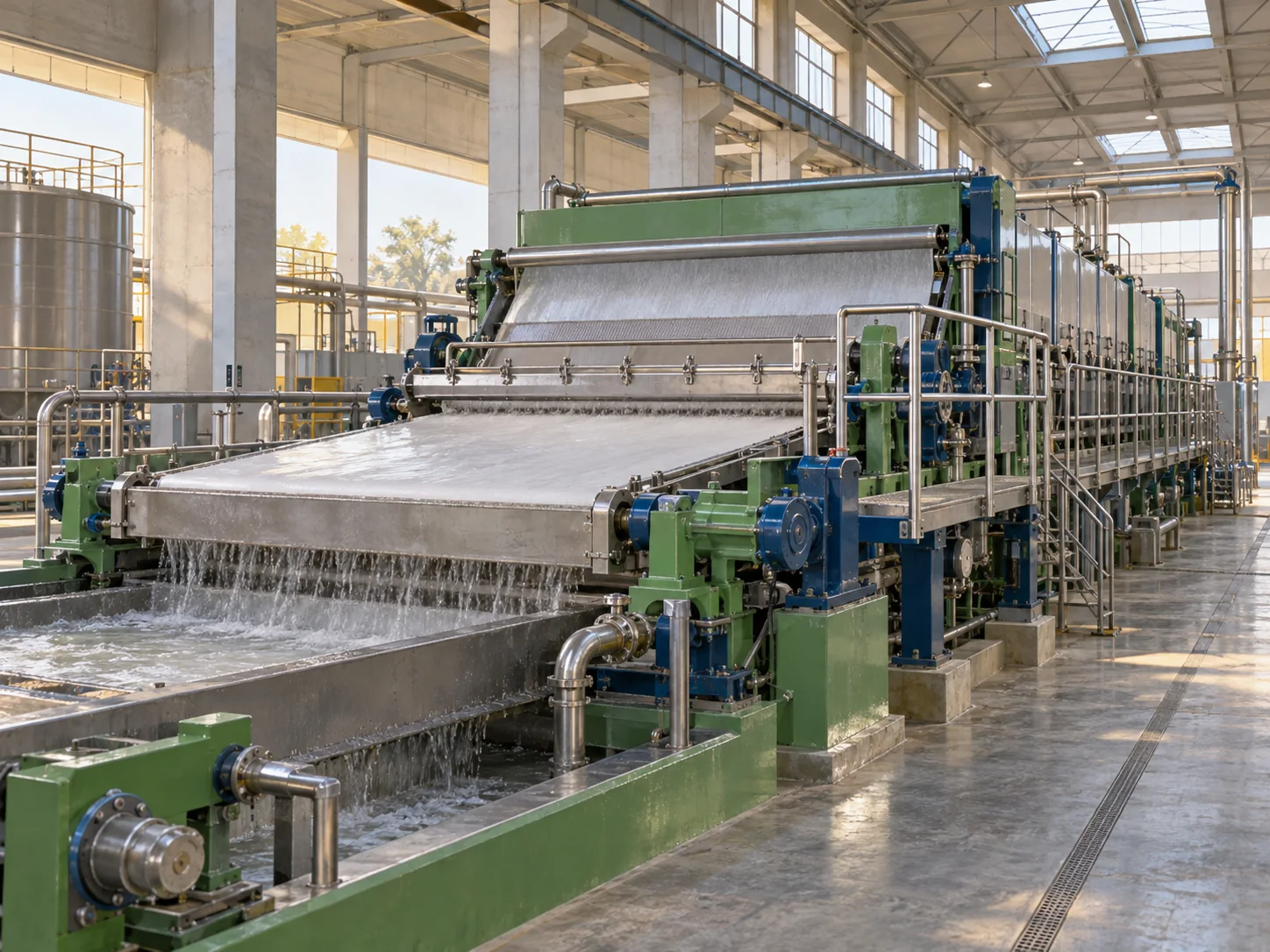 Mould Cotton Paper Recycling MachinesThe Mould Cotton Paper Recycling Machines forms the wet sheet in a cotton paper recycling plant, shaping the pulp into paper on the mould before pressing and drying.View details04
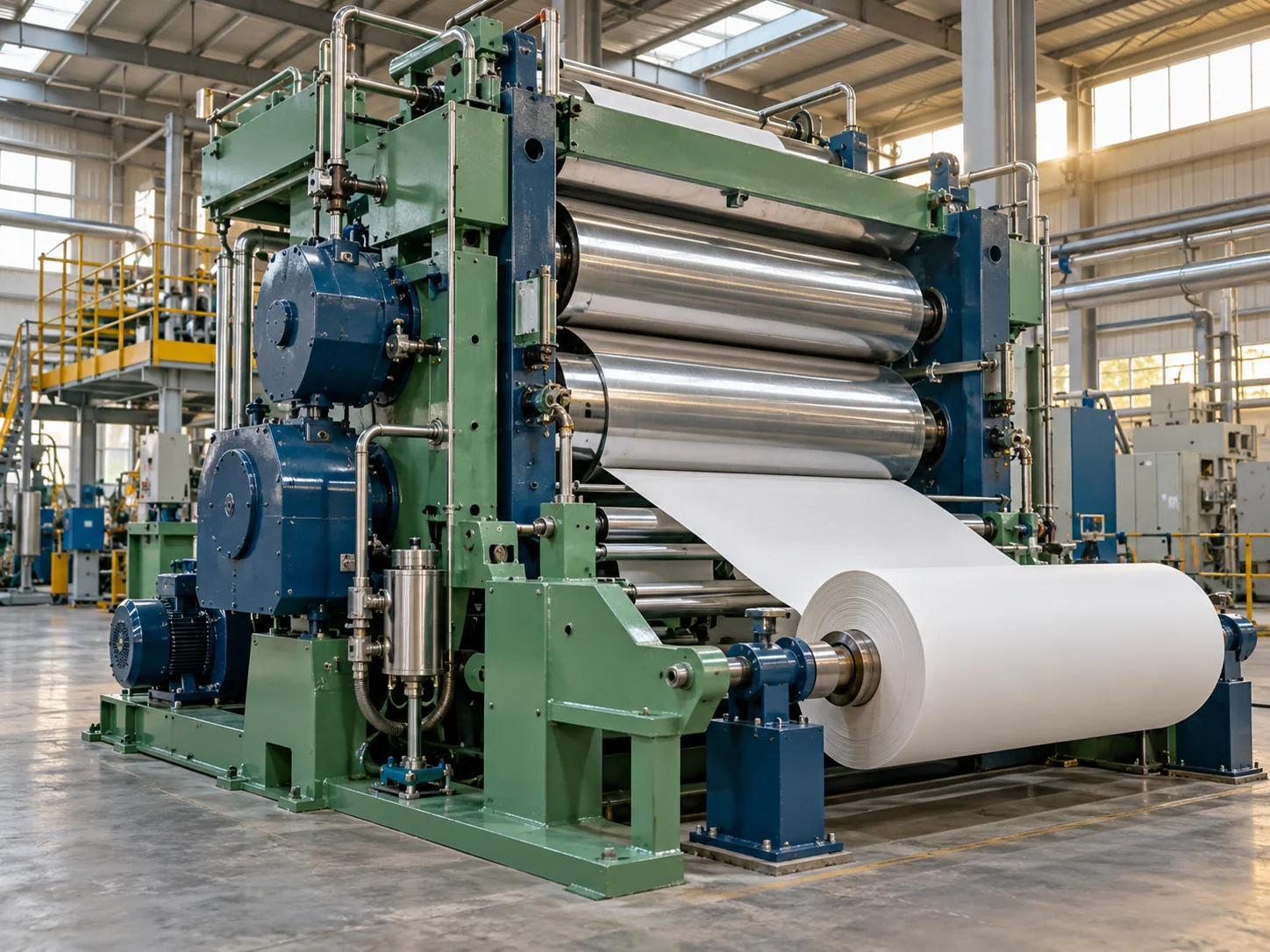 Paper Calendaring MachinePaper Calendaring Machine for paper sheet finishing, smoothing, thickness control and cotton paper recycling applications. Manufactured by MEW Machines, Jaipur.View details05
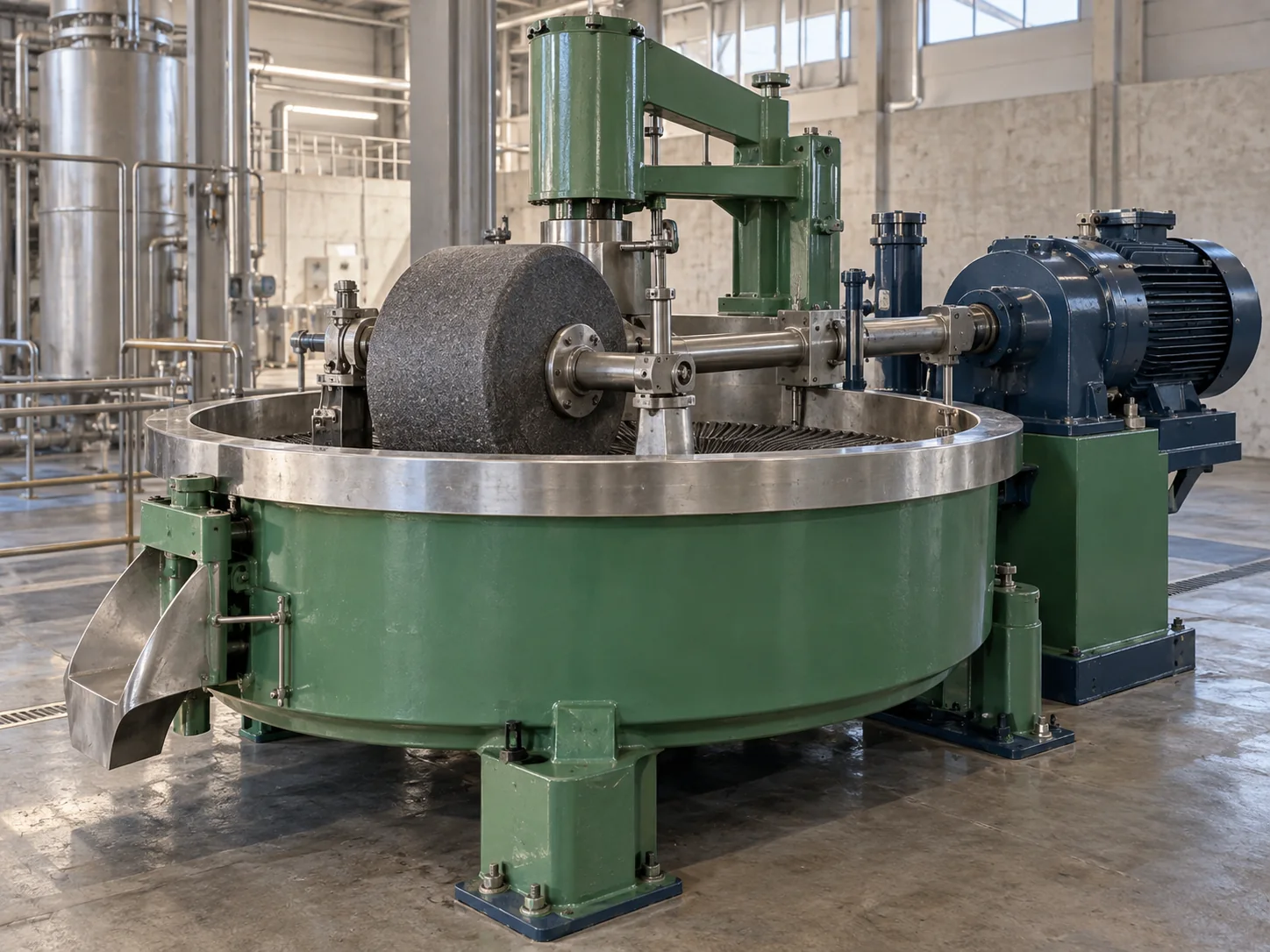 Paper Hollander beater MachineThe Paper Hollander beater Machine macerates and refines pulp through a roll-and-bedplate action, cutting and brushing the fibres to the quality needed in a cotton paper recycling plant.View details06
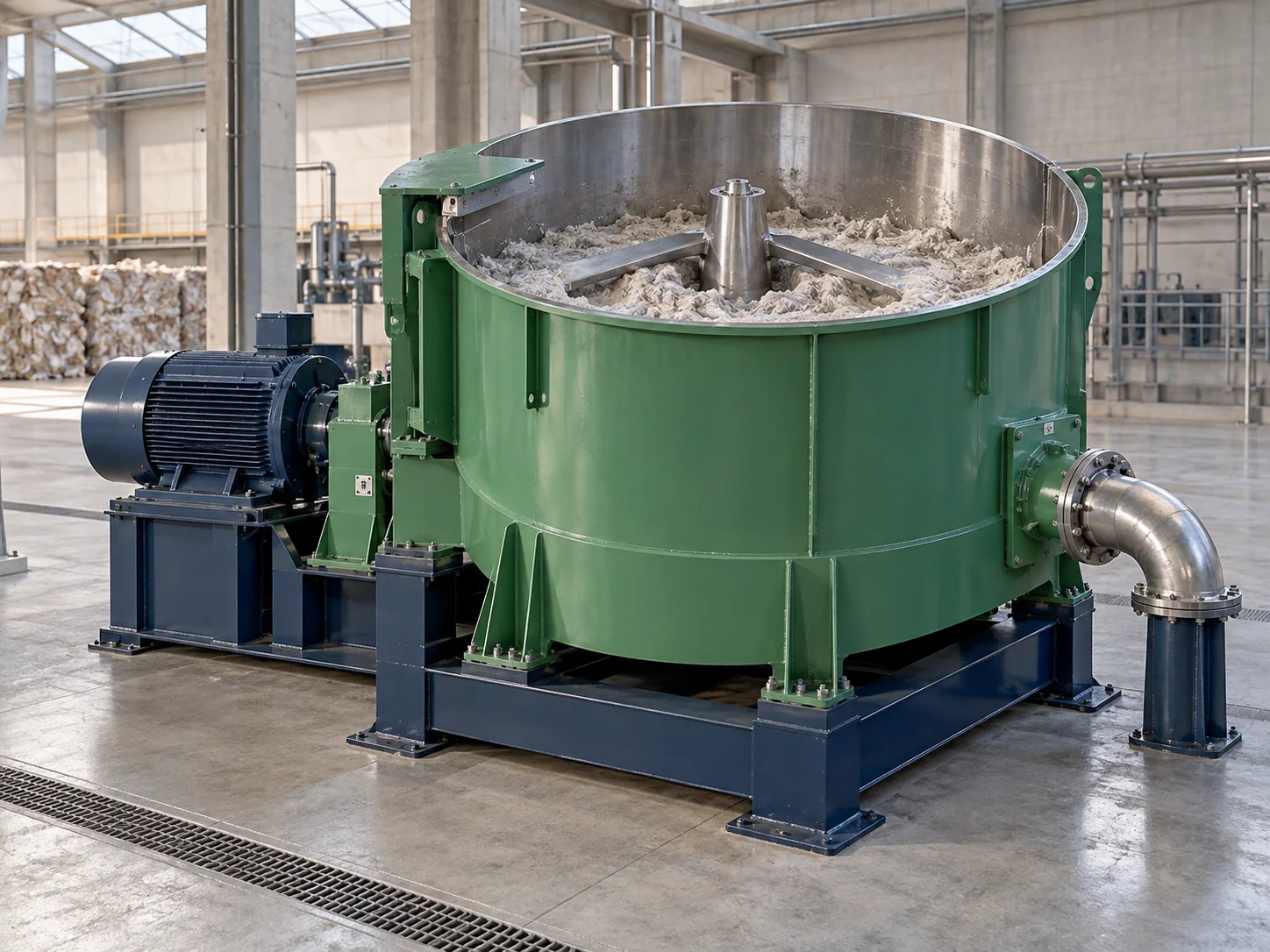 Pulper Cotton Paper Recycling MachinesThe Pulper Cotton Paper Recycling Machines is a high-efficiency pulper that breaks down waste paper, kraft and board into a uniform fibre slurry in the stock-preparation stage of a cotton paper recycling plant.View details07
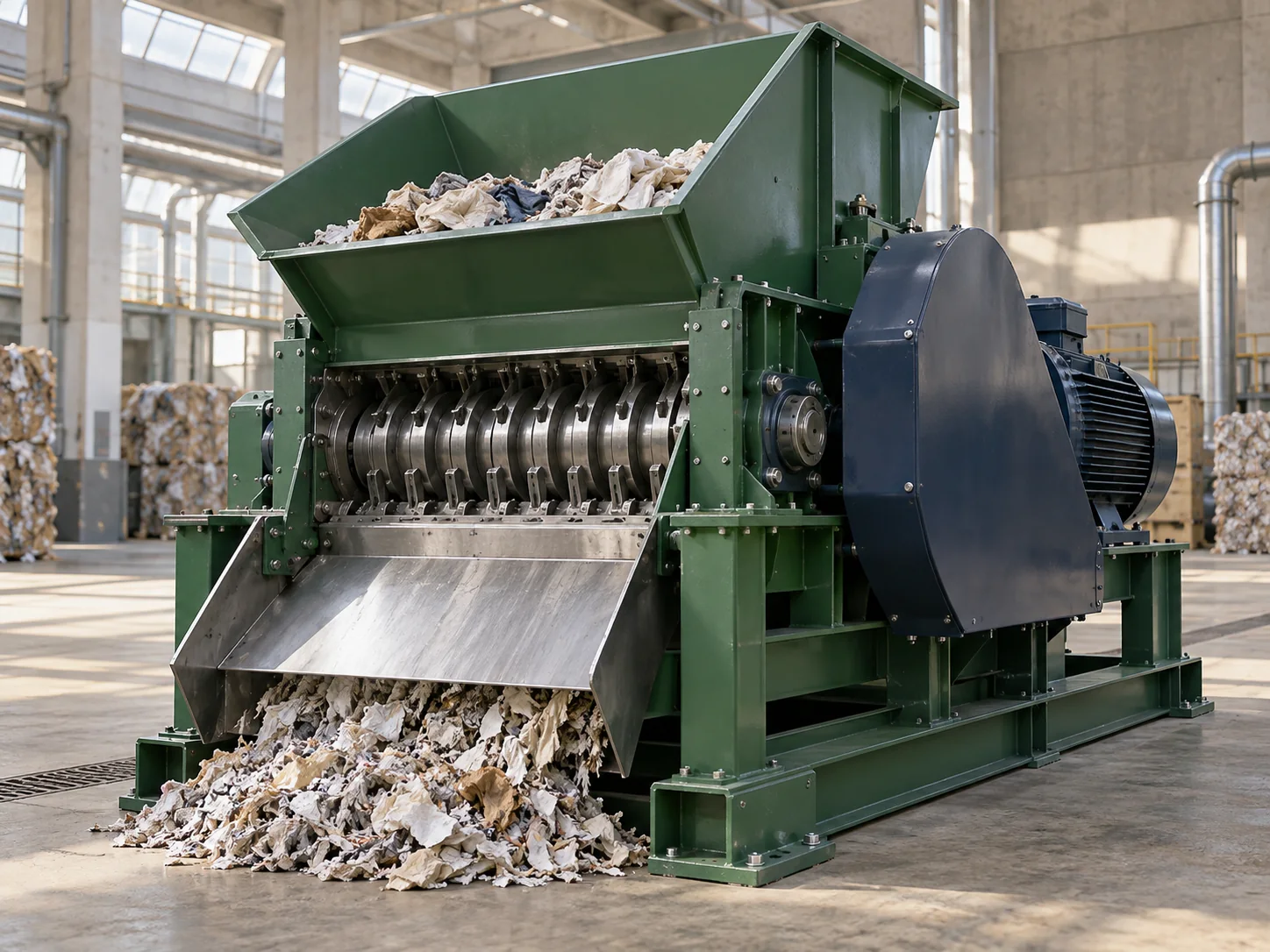 Rag Chopper MachineThe Rag Chopper Machine cuts raw material such as rags, waste paper and board to a uniform size for pulping, improving pulper efficiency in a cotton paper recycling plant.View details08
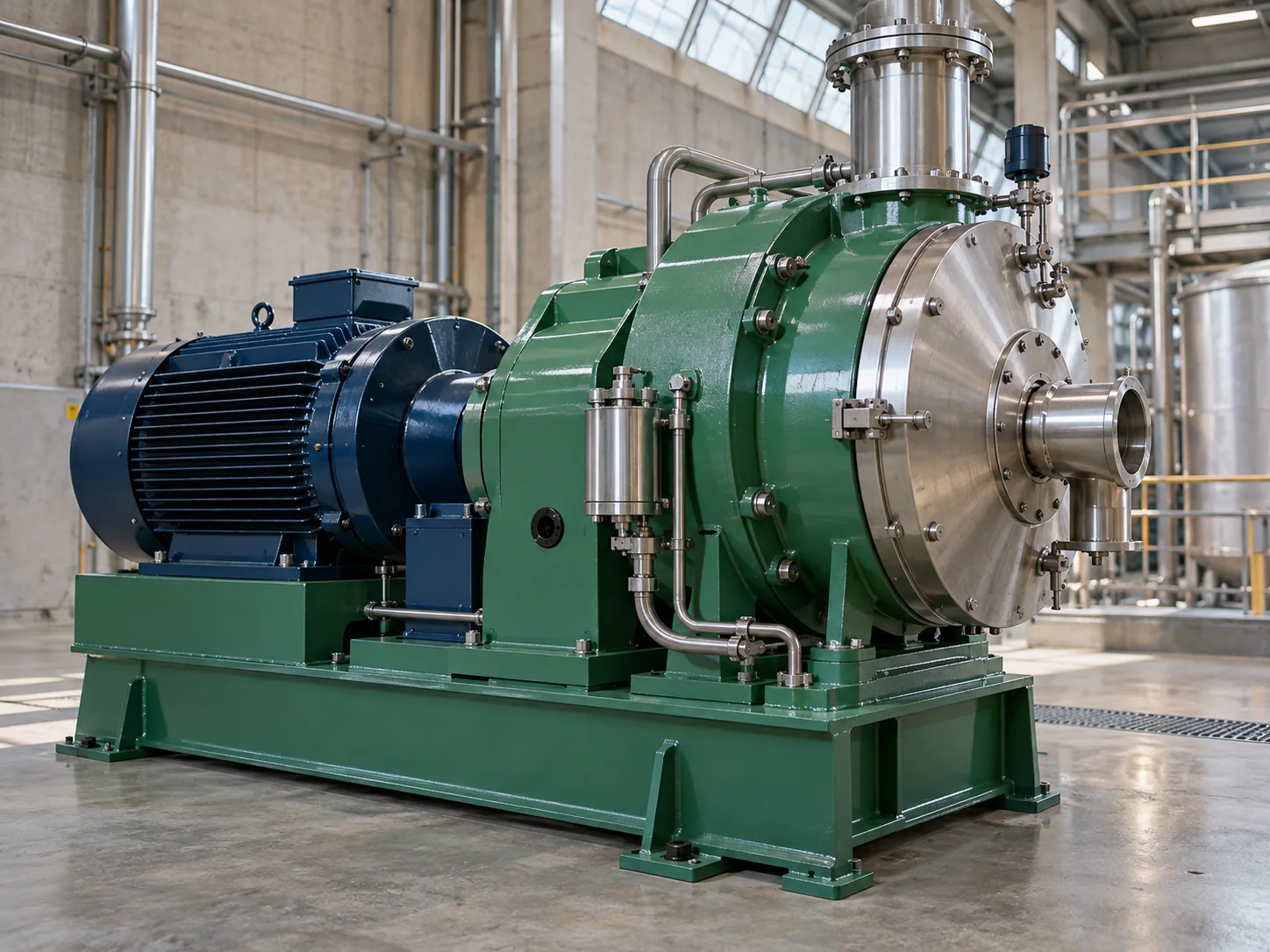 TD Refiner MachinesThe TD Refiner Machines is a double-disc refiner that develops fibre strength and controls freeness in a cotton paper recycling plant, producing a strong, well-bonded sheet.View details
 ABOUT THIS RANGE
Cotton waste can become a useful raw material for paper manufacturing when it is properly sorted, cleaned and processed. Garment cuttings, suitable cotton rags and selected textile residues can be converted into paper for stationery, creative products, packaging and other applications. For businesses exploring this opportunity, choosing the right machinery starts with understanding the raw material and the finished product.
A cotton paper recycling machine India search may bring up everything from individual pulp beaters to complete manufacturing systems. These options serve different purposes. Some prepare cotton fibres for papermaking, while others support sheet formation, pressing, drying and finishing. Buyers should therefore evaluate the complete production process instead of selecting equipment based only on its name.
This guide explains how cotton paper production works, which machines may be needed, what affects investment costs and how to evaluate manufacturers and suppliers.
What Is a Cotton Paper Making Machine?
A cotton paper making machine is equipment used within a system that converts suitable cotton-based material into paper. The term often describes a collection of machines rather than one unit that performs every production stage.
A typical setup may include equipment for cutting cotton rags, cleaning the material, preparing pulp, forming sheets, removing water, drying and finishing. The exact configuration depends on the type of cotton waste, paper specifications and production method.
Businesses searching for a cotton paper making machine India solution should first decide whether they want handmade sheets, batch production with mechanical assistance or a more automated manufacturing line. Each approach requires a different balance of machinery, labour and production controls.
Clearly defining the intended product helps suppliers recommend equipment that fits the project.
Cotton Waste as a Raw Material for Paper
Cotton-based papermaking begins with a suitable fibre source. Potential materials include clean cotton fabric cuttings, selected hosiery waste and cotton rags with a known composition. However, not every textile waste stream is appropriate.
Fabric may contain polyester, elastane, coatings, dyes, stitching and other components that affect processing or finished-paper quality. Buttons, zippers, plastic labels and metal pieces also require removal before the material enters suitable equipment.
Research on cotton spinning waste has demonstrated its potential for papermaking while highlighting the importance of cleaning and removing contaminants. This supports evaluating the actual waste available to a business before finalising machinery.
For a cotton waste to paper machine India project, the supplier should test representative samples. A successful demonstration using clean cotton does not establish that the same setup will process mixed or heavily treated textile waste.
How Cotton Paper Production Works
Cotton paper manufacturing involves several connected stages. Rajasthan’s official handicrafts resources describe a process that starts by reducing cotton waste to pulp and proceeds through sheet preparation, pressing and drying.
1. Sorting and Preparation
The incoming material is separated according to fibre composition, colour and cleanliness. Unwanted components are removed, and suitable fabric is cut into manageable pieces. Consistent preparation helps reduce variation between production batches.
2. Cleaning and Pulp Preparation
Depending on the feedstock, washing or additional treatment may be required. Prepared cotton is processed with water in appropriate beating or refining equipment to develop a pulp suitable for sheet formation.
3. Sheet Formation
The prepared pulp is dispersed in water and formed into sheets. Handmade production uses moulds and screens, while other configurations may use mechanically assisted or continuous forming equipment.
4. Pressing and Drying
Wet sheets are pressed to remove water and then dried using a method appropriate to the product and production volume.
5. Finishing and Inspection
Dried sheets may be flattened, trimmed, sized or otherwise finished. Inspection checks whether the paper meets the agreed requirements before packing.
Equipment in a Cotton Paper Production Line
A cotton paper production line India enquiry should cover the equipment required from raw-material preparation through finished-sheet handling.
Depending on the project, the machinery package may include:
- Rag-cutting equipment for preparing suitable fabric.
- Washing equipment where feedstock cleaning is necessary.
- Beaters or refiners for pulp preparation.
- Pulp storage and mixing tanks.
- Sheet-forming equipment or handmade moulds.
- Presses for removing water from wet sheets.
- Drying equipment appropriate to the production method.
- Finishing and sheet-cutting machines.
- Pumps, piping and water-management equipment.
These items should work together at compatible capacities. A large beater will not deliver the expected finished-paper output if forming or drying becomes a bottleneck.
Ask the supplier to explain the proposed material flow, batch sizes and expected output. The quotation should also identify equipment or infrastructure that the buyer must arrange separately.
Selecting a Cotton Pulp Making Machine
Pulp preparation has a direct influence on sheet formation and finished-paper characteristics. A cotton pulp making machine India enquiry should specify the feedstock, its preparation method and the paper the business intends to produce.
The supplier should explain how the proposed equipment handles cotton rags or cuttings, including any cutting, soaking, washing or treatment needed beforehand. A machine intended for recycled waste paper may not be suitable for cotton fabric without different preparation or processing equipment.
Useful evaluation points include batch capacity, processing time, power requirements, operating controls and maintenance access. Buyers should also ask which components experience wear and how replacements are supplied.
Assess the pulp by making and testing finished sheets. Equipment that produces pulp successfully must still support the quality, consistency and production economics required by the business.
Handmade Cotton Paper Making Equipment
A handmade cotton paper making machine India setup generally combines manual sheet formation with machinery for selected preparation and finishing tasks. Mechanical beaters, presses and cutters can support production while artisans form individual sheets.
This approach may suit businesses developing textured stationery, artistic papers, invitations, decorative sheets and customised products. However, product suitability depends on the paper formulation, thickness, surface treatment and finishing.
Handmade production requires practical attention to sheet dimensions, operator skill, drying arrangements and handling space. Production capacity should reflect the complete workflow, including rejected sheets and finishing time.
Buyers should ask which stages remain manual and how many trained operators the proposed setup requires. This creates a more realistic comparison between a compact handmade unit and a system with greater mechanical assistance.
Small-Scale Cotton Paper Manufacturing
A small scale cotton paper making machine India configuration can help a business start with limited production while developing its products and customer relationships.
The first step is to choose a manageable product range. Producing a few agreed sheet sizes and grades is generally easier to plan than attempting many colours, thicknesses and finishes immediately. The equipment can then be selected around those requirements.
Small-scale planning should include raw-material storage, wet-processing space, drying capacity, finished-goods storage and safe movement between work areas. Even a compact machine requires supporting space and utilities.
Expansion should also be considered. Ask whether additional forming stations, presses or drying equipment can be added later. A modular arrangement may offer flexibility, provided the supplier confirms how increased capacity will affect the rest of the process.
Planning a Cotton Rag Paper Manufacturing Plant
A cotton rag paper manufacturing plant India project requires coordination between machinery, utilities, people and market demand.
Begin by defining the intended products and estimated sales volumes. Confirm whether customers require decorative sheets, writing paper, print-compatible stock or material for specific packaging applications. These requirements influence the process and equipment.
Next, assess the supply of suitable cotton waste. Record its composition, monthly availability, purchase cost and likely variation. Raw-material access should be dependable enough to support the planned production schedule.
Plant layout should account for storage, preparation, wet processing, pressing, drying, finishing and packing. Suppliers should provide installation requirements, including floor space and utility connections.
The project budget must also include supporting infrastructure, training, maintenance and working capital. Machinery is one part of the investment, and its performance depends on the wider operating setup.
Textile Waste to Paper: Checking Compatibility
A business looking for a textile waste to paper making machine India solution should identify exactly what its waste contains.
Cotton-rich production scraps are different from mixed post-consumer clothing. The latter may include synthetic fibres, accessories, finishes and contamination that complicate processing. Machinery compatibility should therefore be established through trials using the intended material.
Provide the supplier with details of fibre composition, colours, coatings and how the waste is collected. Ask whether different material categories require separate processing or should be excluded.
Also clarify the desired finished-paper specification. A process that works for decorative sheets may require changes for another application.
A documented trial should record preparation steps, processing time, material losses and resulting sheet quality. These findings provide a stronger basis for investment than broad claims about processing all textile waste.
Applications of Cotton Rag Paper
Cotton rag paper can be developed for a range of products, depending on its formulation and tested performance.
Potential applications include notebooks, greeting cards, invitations, gift tags, decorative packaging, craft sheets and selected art papers. Surface finish, thickness, absorbency and strength influence which uses are appropriate.
For printing, test the paper with the intended printing method. A visually attractive sheet may still need adjustments to perform reliably through a particular printer or finishing process.
Similarly, claims such as acid-free, archival, food-safe or suitable for specialist artwork should be supported by appropriate testing. Cotton content alone does not establish these properties.
Businesses should develop samples for their intended customers before scaling production. Customer feedback on texture, colour, dimensions and usability can help refine the machinery specification and production process.
Choosing a Manufacturer in India
Selecting a cotton paper recycling machine manufacturer India involves assessing both equipment capability and practical support.
Start by asking whether the manufacturer has experience with the proposed cotton feedstock and production method. Request an equipment list, process explanation and demonstration using representative raw material.
Compare the stated output carefully. Finished dry-paper capacity is more useful for planning than an isolated pulp-processing figure. The manufacturer should explain operating hours, paper specifications and assumptions behind its capacity estimate.
Other considerations include installation, operator training, maintenance instructions and availability of replacement components. Discuss who will support commissioning and how technical problems will be handled.
Where possible, inspect a working installation with comparable products. A reference plant can help buyers understand operator requirements, material handling and day-to-day production limitations.
Evaluating a Machinery Supplier
A cotton paper making machine supplier India may manufacture equipment directly or source different machines from multiple producers. Either arrangement requires clear responsibility for the complete system.
Ask who designs the line, coordinates installation and resolves compatibility issues between machines. If several equipment manufacturers are involved, confirm which company manages commissioning.
The supplier’s proposal should describe the included machines, technical specifications, utility requirements and installation scope. It should also identify exclusions, such as piping, electrical work, foundations or water-treatment infrastructure.
Compare suppliers against the same project brief. Otherwise, a lower quotation may simply cover fewer machines or less support.
Written acceptance criteria are valuable. Agree on the feedstock, paper grade and trial conditions used to assess the system before finalising the purchase.
Cotton Paper Recycling Machine Price in India
The cotton paper recycling machine price in India depends on what the quotation includes. An individual beater, a small handmade-paper setup and a complete production line represent different investments.
Key factors include equipment capacity, feedstock preparation, level of automation, drying method and finishing requirements. Installation support, training, freight and spare parts can also affect the overall cost.
Request an itemised quotation showing machinery prices and separate charges. Confirm whether taxes, transport, commissioning and supporting equipment are included.
Assess operating costs alongside purchase costs. Relevant expenses may include cotton waste, water, electricity, labour, maintenance, consumables and rejected production.
There is no single useful price without a defined scope. A reliable comparison begins with the same raw material, target paper specification, output requirement and installation assumptions for every supplier.
Questions to Ask Before Buying
Before proceeding with a buy cotton paper making machine India enquiry, prepare a brief that suppliers can evaluate consistently.
It should describe the cotton waste available, target products, sheet dimensions, production volume and preferred level of automation. Include site constraints and available utilities.
Then ask:
- Has this feedstock been tested on the proposed equipment?
- What preparation is required before pulping?
- What finished-paper output can be demonstrated?
- Which stages require manual work?
- What drying capacity supports the quoted output?
- What machinery and infrastructure are excluded?
- What training and technical support are provided?
- How are spare parts and maintenance handled?
Request the answers in writing. These details help make the purchase scope clear and provide a reference during installation and commissioning.
Export-Oriented Machinery Requirements
A cotton paper making machine exporter India enquiry should include the destination country and installation conditions.
Buyers need to confirm electrical compatibility, available utilities and the support arrangements for overseas commissioning. The equipment package should include understandable operating instructions, maintenance information and an agreed spare-parts list.
Shipping preparation also matters. Discuss packing, component identification, handling requirements and responsibility for transport-related damage.
Clarify whether the exporter provides onsite installation, remote assistance or a combination. These services should be included in the quotation with their scope and costs.
For an overseas project, successful operation depends on more than dispatching machinery. The buyer and exporter should agree on how the equipment will be assembled, tested and supported after delivery.
Quality Control in Cotton Paper Production
Consistent quality requires checks throughout the process, beginning with incoming cotton material.
Operators should monitor feedstock cleanliness, pulp preparation, sheet formation, pressing and drying. Changes at any stage can affect the finished product.
Useful checks may include sheet weight, thickness, dimensions, colour consistency, visible contamination and moisture condition. Strength and absorbency testing may also be relevant, depending on the application.
For a cotton rag paper making machine India project, quality targets should be agreed before the machinery trial. Comparing sample sheets against these targets makes it easier to judge performance.
Keep batch records linking raw materials and process settings to finished-paper results. This helps operators identify variation, investigate defects and repeat successful production conditions.
Water Management and Responsible Production
Using recovered cotton can support material reuse, but the environmental performance of paper production also depends on how the plant operates.
Water use, wastewater characteristics, energy consumption and rejected material require attention. Cleaning and treatment needs will vary with the feedstock and process.
Discuss water-management arrangements with the supplier during project planning. Reuse options should be assessed against process requirements and the effect on paper quality.
Environmental statements should reflect evidence from the actual operation. Avoid assuming that cotton-based paper is automatically pollution-free or that every product is recyclable under all collection systems.
Accurate communication is more credible. Businesses can explain verified cotton-waste content and production practices while supporting broader claims with appropriate measurements or testing.
Plan the Investment Around the Finished Product
The right cotton paper machinery should match the material available, the paper customers need and the output the business can realistically sell.
Start with representative cotton samples and clear product specifications. Use trials to confirm processing suitability, sheet quality and practical capacity. Then compare complete proposals covering machinery, infrastructure, training and ongoing support.
Whether the project involves handmade sheets, a small production unit or a larger plant, informed equipment selection helps build a more dependable operation. A clearly defined production brief is the strongest starting point for turning suitable cotton waste into commercially useful paper.
Frequently Asked Questions
Can one machine perform the complete process?
Usually, cotton paper production requires several stages. A supplier may offer an integrated package, but buyers should confirm which operations it includes.
Can mixed fabric waste be used?
Suitability depends on composition and treatment. Representative material trials are necessary before accepting a supplier’s compatibility claims.
Is handmade production suitable for a new business?
It may suit selected products and production volumes. The decision should consider customer requirements, labour availability, drying space and operating costs.
How should machine capacity be compared?
Compare finished dry-paper output under the same feedstock, paper specification and operating schedule. Ask suppliers to document these assumptions.
What should come before placing an order?
Complete feedstock trials, review sample quality, confirm utilities and agree on the equipment scope, support arrangements and acceptance criteria.
Discuss your requirements
Plan your Cotton Paper Recycling Machine project.
Share the material you process and the output you need for a tailored quotation.