
Product range · manufacturer in India
Waste Paper Recycling Machine Manufacturer in India
Cutting, pulping, agitating and forming equipment for recycling recovered paper.
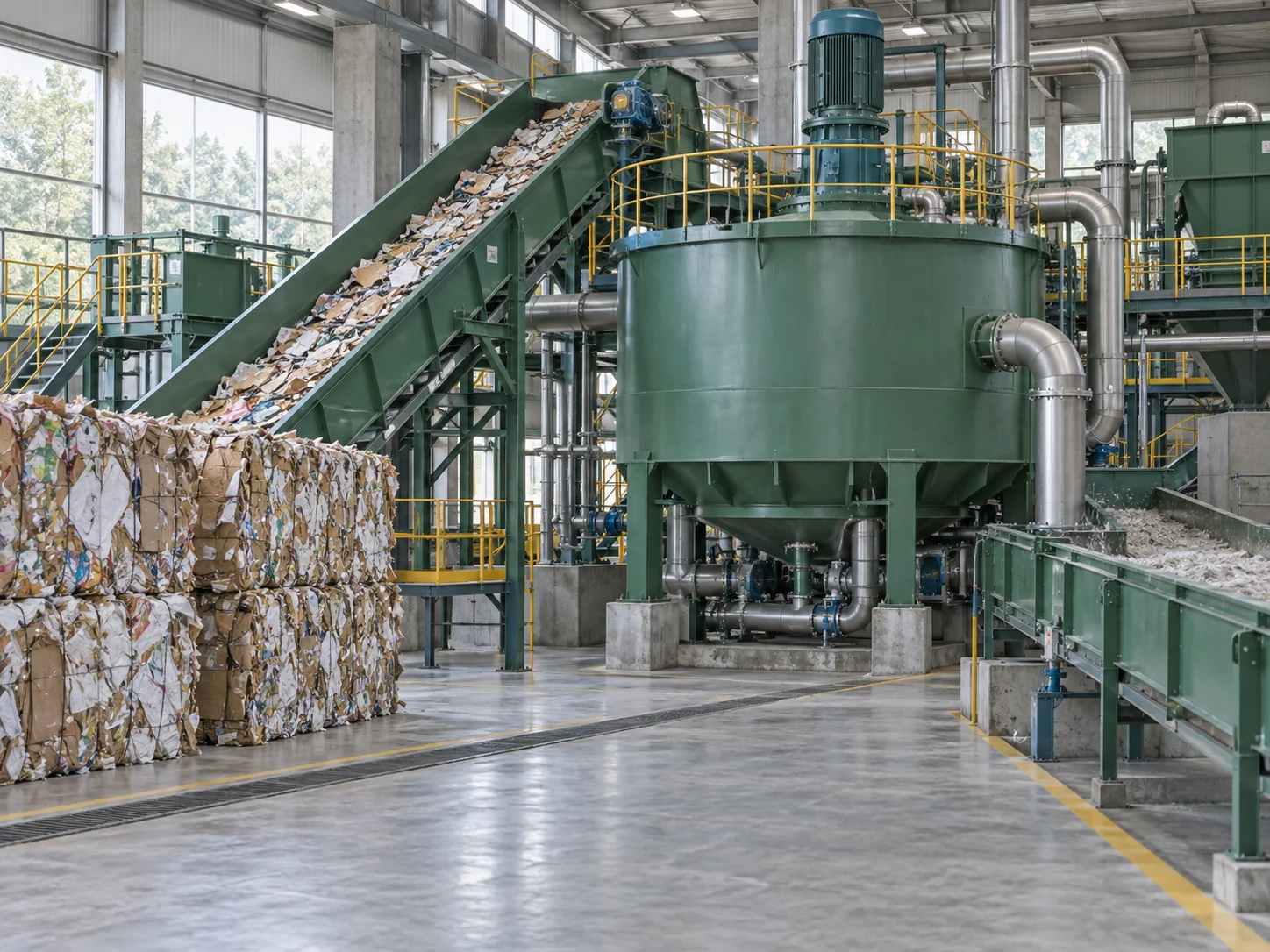 Representative imagery
Machines in this range
Explore the
equipment.
5 machines in this range. Select a machine to review its available details, then tell us your material and capacity for a tailored quotation.
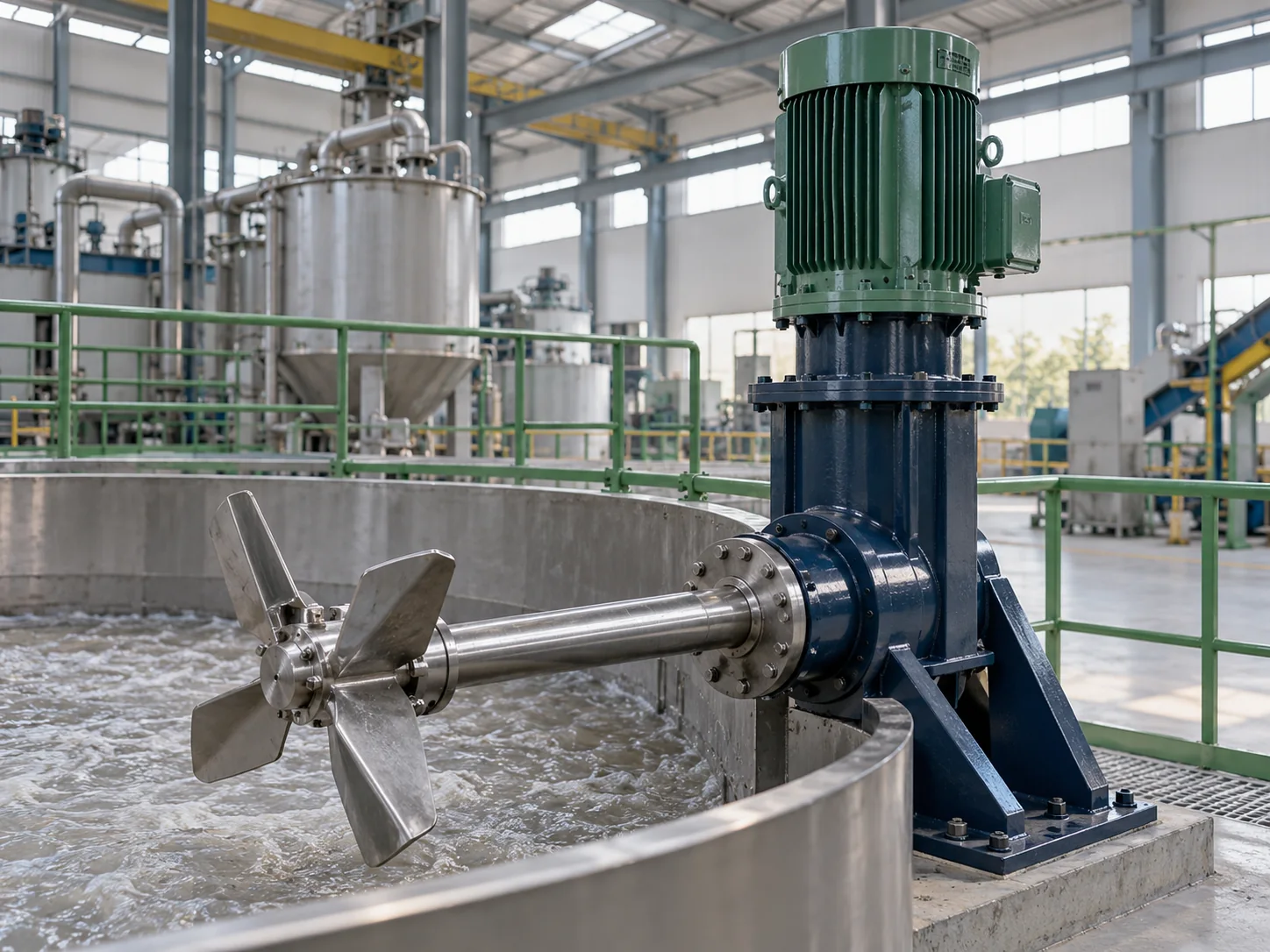 Agitator Of Waste Paper Recycling MachinesThe Agitator Of Waste Paper Recycling Machines keeps pulp stock uniformly mixed inside chests and tanks of a waste paper recycling plant, preventing fibre settling and maintaining a consistent slurry.View details02
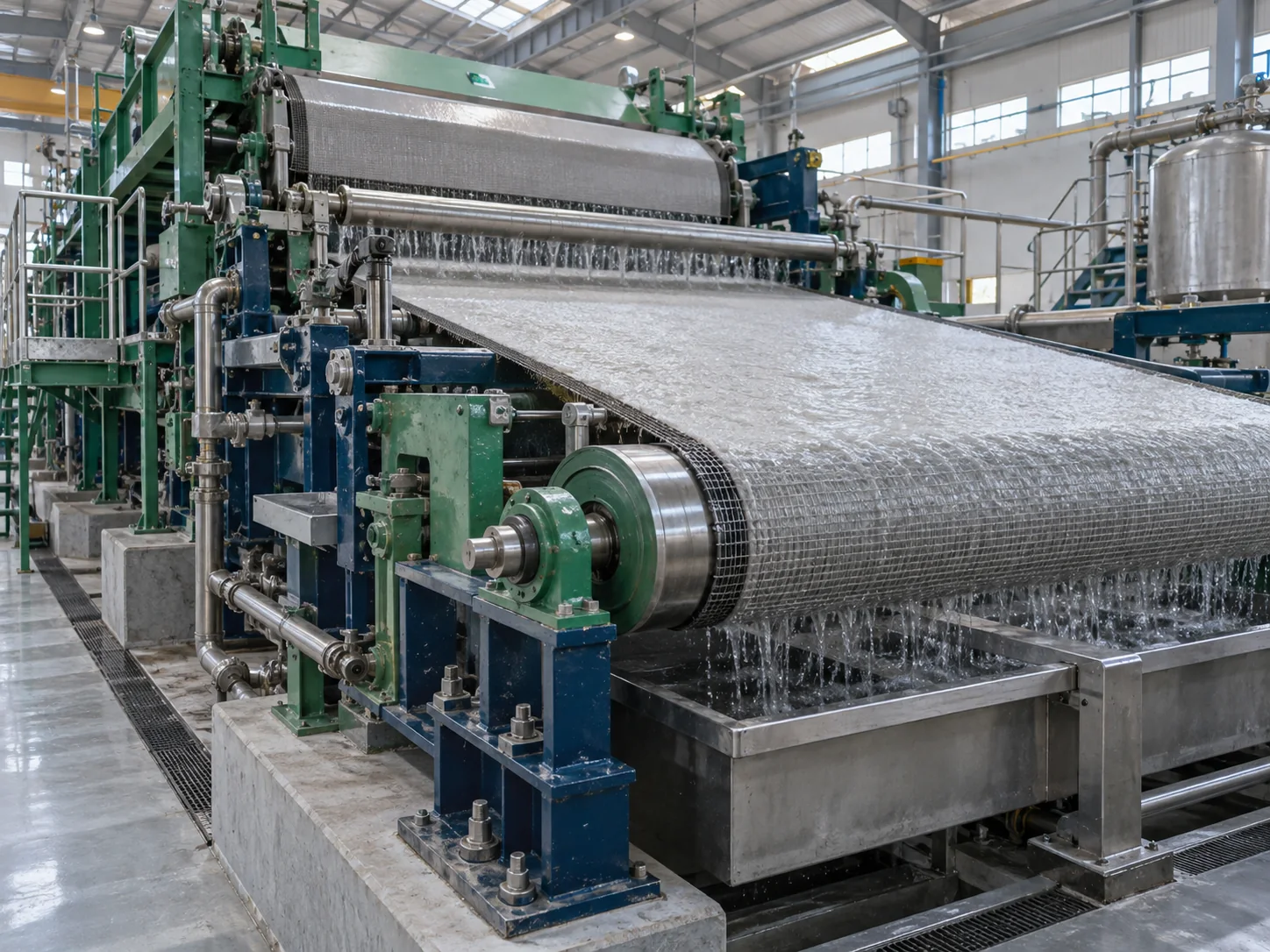 Conveyer Wire Part Of Waste Paper Recycling MachineThe Conveyer Wire Part Of Waste Paper Recycling Machine is the forming (wire) section of a waste paper recycling plant, where the pulp slurry drains on a moving wire to form the wet paper web.View details03
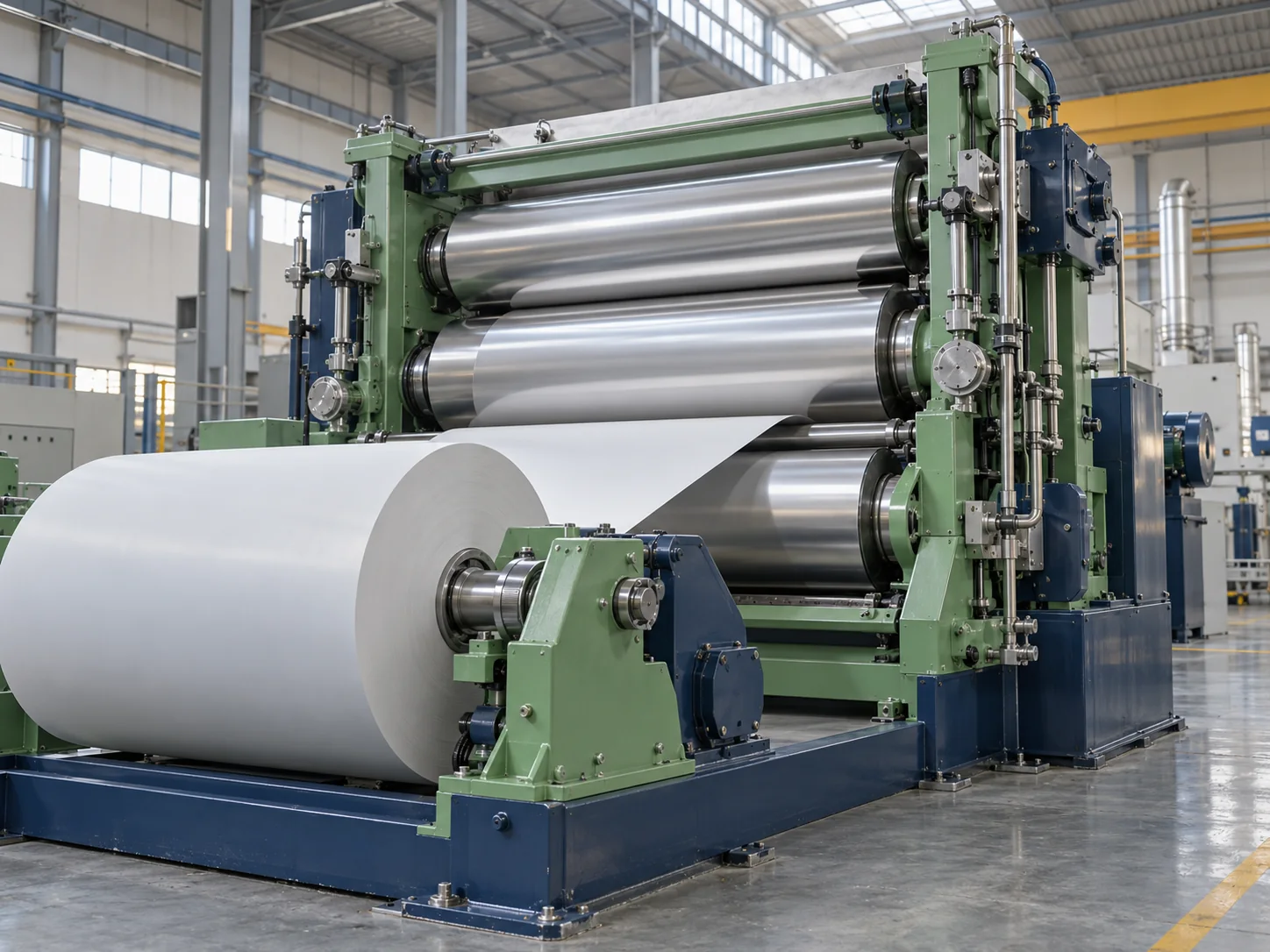 Paper Calendaring MachineThe Paper Calendaring Machine smooths and finishes the paper by passing it through pressure rolls, controlling thickness and improving surface gloss in a waste paper recycling plant.View details04
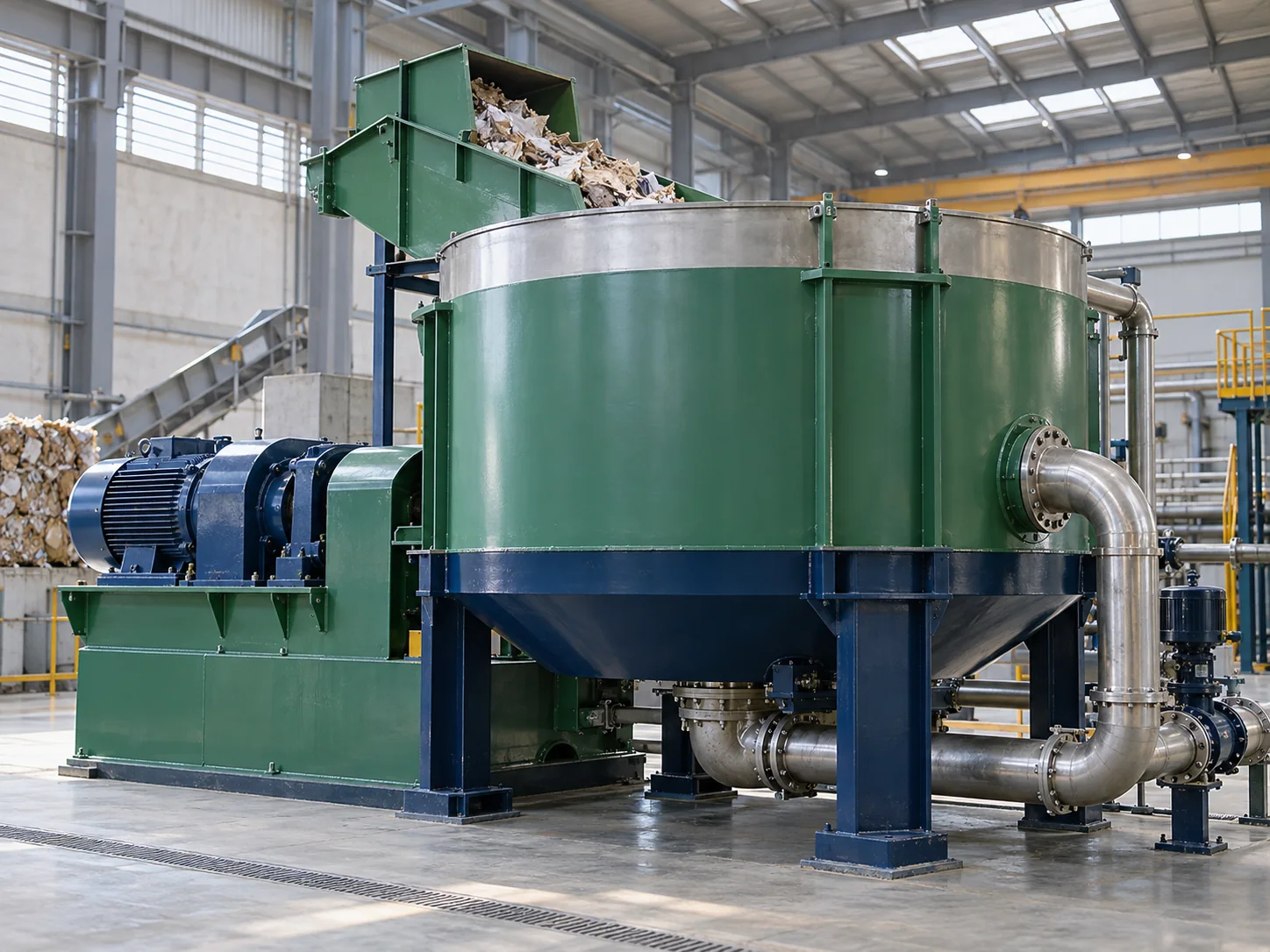 Pulper Waste Paper Recycling MachineThe Pulper Waste Paper Recycling Machine is a high-efficiency pulper that breaks down waste paper, kraft and board into a uniform fibre slurry in the stock-preparation stage of a waste paper recycling plant.View details05
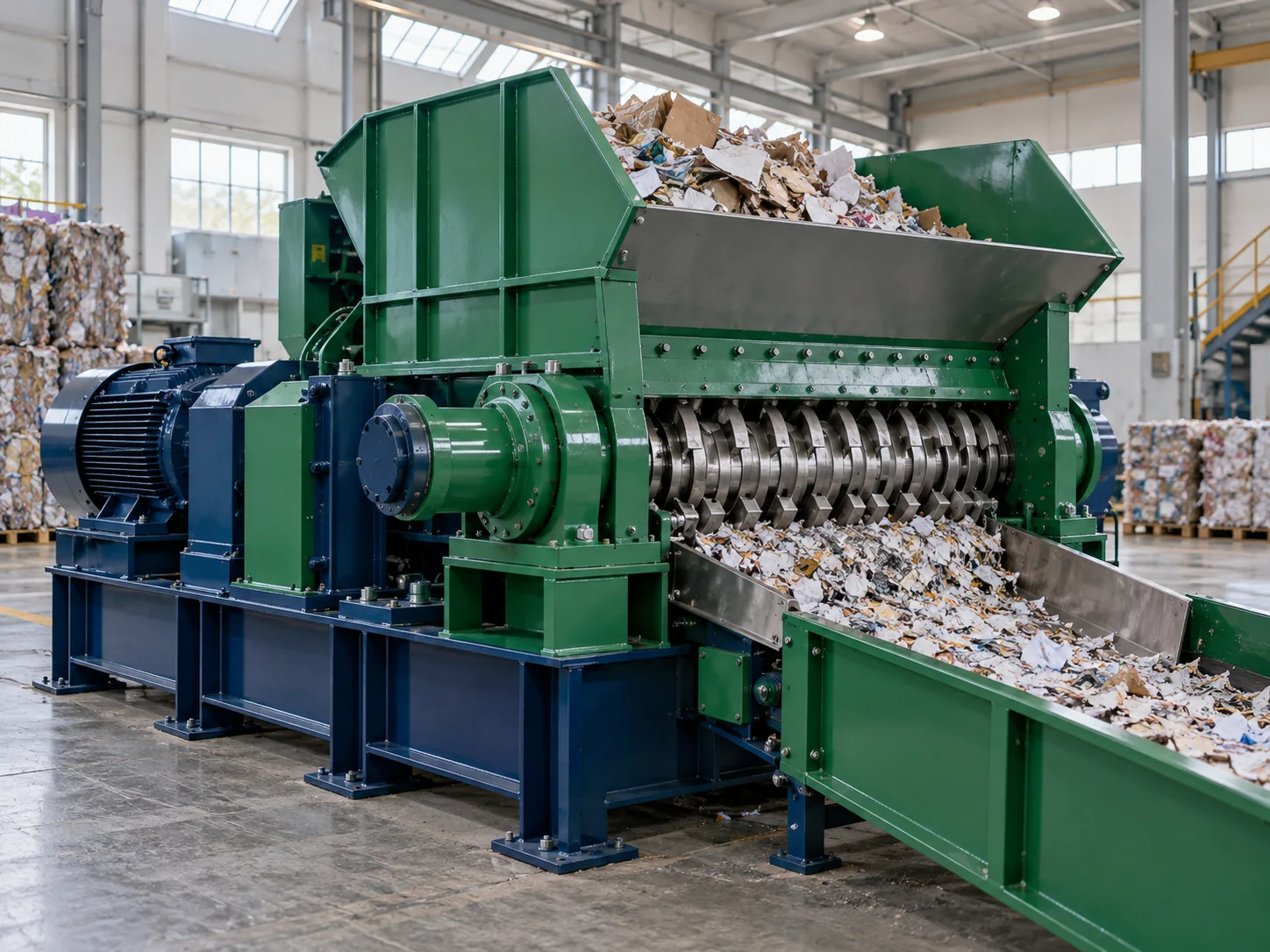 Waste Paper Recycling Cutting MachinesThe Waste Paper Recycling Cutting Machines cuts raw material such as rags, waste paper and board to a uniform size for pulping, improving pulper efficiency in a waste paper recycling plant.View details
 ABOUT THIS RANGE
Waste Paper Recycling Machine Manufacturer
MEW Machines manufactures waste paper recycling machines for paper recycling plants, paper board units, handmade paper units, and recycled paper production businesses. Our machines are designed to convert waste paper into usable pulp and support the production of recycled paper, paper board, and other paper-based products.
Waste paper recycling is an important process for reducing raw material cost and supporting sustainable paper manufacturing. The process generally includes waste paper sorting, pulping, cleaning, screening, refining, sheet formation, pressing, drying, calendaring, cutting, and rewinding. MEW Machines supplies machinery for multiple stages of this recycling process.
Applications
Important Machinery
Benefits
Why Choose MEW Machines
Waste Paper Recycling and Board Making in India
India throws away huge amounts of paper every day: newspapers, notebooks, office records, printing-press trims, cartons and packaging. Through the scrap trade, much of it reaches small recycling units that turn it into grey board, mill board, pulp board, insulation board and low-grade paper. These units need modest investment, run on locally collected raw material and sell into steady markets, which is why waste paper recycling remains a common first manufacturing business in small-town India.
What Indian board units make
- Grey board and mill board: for box files, office files, book binding, jigsaw and game boards.
- Box board: for sweet boxes, dry fruit boxes, shoe boxes and rigid gift boxes.
- Thick board (1.5–5 mm): for cake bases, stiffeners and backing sheets.
- Insulation board: smooth pressboard for electrical and transformer applications.
Our board machines cover these grades, from 1500 to 6000 GSM board on the sun-dry line to smooth insulation board. Decide your main product first, because it decides the forming method, pressing and drying you need.
Sun drying or machine drying?
Many Indian board units use the sun-dry process: wet sheets come off the machine and dry in an open yard. It uses almost no fuel and keeps investment low, but it needs a large, clean yard and dry weather, and output falls in the monsoon. Machine drying, with a dryer section or heated press, costs more to set up and run but gives the same output every month and a flatter, cleaner board. Many units start with sun drying and add machine drying once they have regular buyers.
Where the raw material comes from
Waste paper in India moves through a well-organised chain: household scrap dealers (kabadiwalas), local aggregators and larger godowns that sort and bale by grade. For board making, the cheapest mixed grades work well. Cleaner grades such as printing trims and white office paper fetch higher prices and are better kept for paper making. Box plants and printing presses in your town are also good direct sources of cuttings.
Before you order a machine, visit two or three godowns near your site and check what grades are available every month, and at what price. A steady supply matters more than a cheap first lot.
Choosing a machine for your first unit
| If you want to… | Start with | Typical output |
|---|---|---|
| Start small with low investment and an open yard | Sun-dry waste paper board machine | About 3 TPD |
| Make grey board for files and book binding | Recycled paper board machine (5 layers) | About 3 TPD |
| Make thicker pulp board | Pulp board making machine | 3–4 TPD |
| Supply electrical insulation board | Insulation paper board machine | About 5 TPD |
| Make paper instead of board | A kraft paper plant | 10–20 TPD |
Every line also needs pulp preparation: a pulper to break the waste paper and an agitator to keep the stock even. For a smoother surface, add a calendaring machine, and a cutting machine to size the sheets.
Setting up the unit
- Power: a three-phase 415V connection. Board machines use modest motors (around 5 HP on several of our lines), plus the pulper and calender.
- Water: pulping and forming use water; a settling tank lets you reuse most of it and cuts your effluent.
- Space: a shed for the pulper and machine, a covered store for raw material, and a drying yard if you choose sun drying.
- Approvals: Udyam and GST registration, and consent from your State Pollution Control Board before you start.
Financing a small recycling unit
First-time entrepreneurs often finance a board unit through PMEGP, which supports new micro enterprises, or through a MUDRA or bank term loan. Several states also offer extra support for units that recycle waste. The District Industries Centre in your district can tell you which scheme fits your project and how to apply; our quotation and layout form part of the project report.
Delivery and support across India
Board machines are among our quickest builds: about 25–35 days for the sun-dry and recycled board lines, and around 90 days for the insulation board machine. We deliver by road from Jaipur to any state and guide installation and the first production runs, so your operators learn the machine on your own raw material.
Selling your board in India
Board from a small recycling unit usually sells within a few hundred kilometres. The main buyers are file and stationery makers, book binders and printers, rigid box makers who supply sweet shops, dry-fruit sellers and shoe brands, and traders who stock board for all of them. Demand for sweet and dry-fruit boxes peaks before Diwali and the wedding season, so many units build stock in the months before. Visit these buyers before you choose your machine: the thickness, size and finish they want decide which line you need.
Running costs to plan for
Your main monthly costs are waste paper, electricity, labour and, if you machine-dry, fuel. Sun-dry units save on fuel but need more labour to spread, turn and collect sheets. Keep a few weeks of waste paper in stock so a price rise or a supplier problem does not stop production.
Quality buyers check
- Thickness and GSM: consistent from sheet to sheet, so files and boxes come out the same.
- Flatness: warped board jams cutting and pasting machines.
- Surface: a smooth, clean surface takes paper lamination and printing; calendering helps.
- Dryness: damp board grows mould in storage and weakens boxes.
Mistakes to avoid
- Choosing a drying method without planning for the monsoon.
- Relying on one waste paper supplier.
- Making board before confirming the thickness and size your buyers use.
How a board line works, step by step
- Pulping: waste paper and water go into the pulper, which breaks the paper into fibre.
- Holding: the agitator keeps the pulp evenly mixed at the right consistency.
- Forming: the conveyor wire part or cylinder builds the wet sheet, layer by layer for multi-layer board.
- Pressing: rolls or a press squeeze out water and bond the layers.
- Drying: in the sun or through machine drying.
- Finishing: the calender smooths the surface and the cutting machine sizes the sheets for your buyers.
Each step can be sized separately, so a unit can start with a basic line and add a calender or a second forming unit later without replacing the rest.
Sizing the pulper
The pulper sets the pace of the whole unit: if it cannot break enough waste paper each hour, the forming machine waits. Size it on the dry weight of paper you plan to process per shift, plus a margin for growth, and on the type of waste you buy, since cartons with tape and wet-strength grades take longer to break than newspaper. Tell us your daily output and raw material mix and we will match the pulper and agitator to the board machine.
What decides the cost
We quote every line to your requirement, so we don’t publish a fixed price. The board grade, output per day, number of layers, drying method, pulp preparation and finishing machines decide the cost. Tell us what you want to make and where, and we will send a machine list and layout.
FAQs
Can I start a waste paper board unit in a small town?
Yes. What matters is a steady supply of waste paper from local scrap dealers and buyers for your board nearby. A sun-dry board line needs modest power and investment, but a large drying yard.
Does sun drying work during the monsoon?
Output drops in the rainy months because sheets dry slowly. Units that need steady output all year add machine drying.
What is a waste paper recycling machine used for?
A waste paper recycling machine is used to convert old or waste paper into pulp and support the production of recycled paper or paper board.
Which raw materials can be used?
Common raw materials include old newspapers, office waste paper, used cartons, paper scraps, and other recyclable paper materials.
Can MEW Machines provide a complete waste paper recycling setup?
MEW Machines can supply machines for different recycling process stages and help buyers choose suitable equipment for their requirements.
Discuss your requirements
Plan your Waste Paper Recycling Machine project.
Share the material you process and the output you need for a tailored quotation.