Product range · manufacturer in India
Paper Pulp Brick Making Machine Manufacturer in India
A press for turning waste pulp, rejects and sludge into compact paper pulp bricks and briquettes.
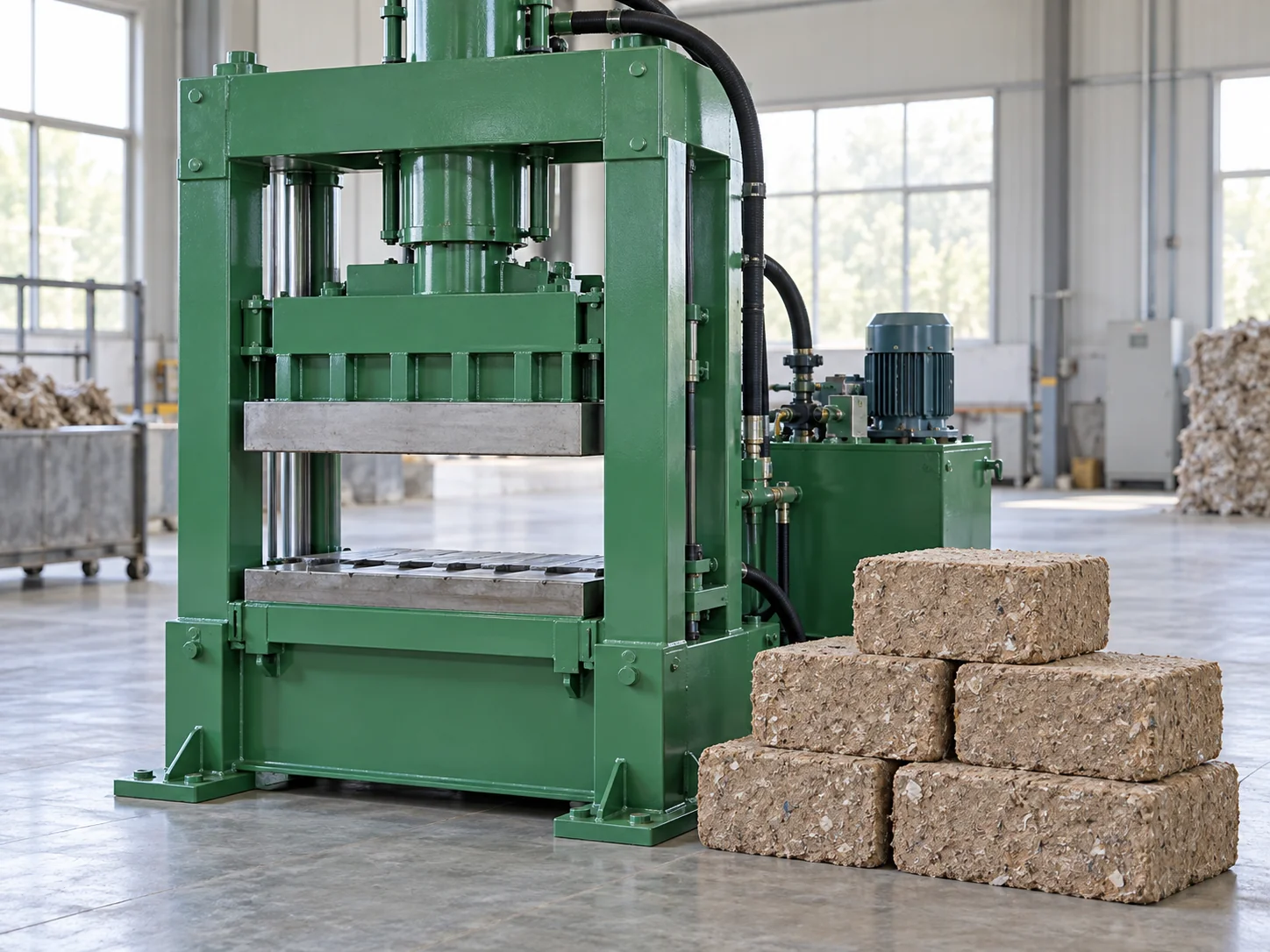 Representative imagery
Machines in this range
Explore the
equipment.
1 machines in this range. Select a machine to review its available details, then tell us your material and capacity for a tailored quotation.
ABOUT THIS RANGE
Paper Pulp Brick Making Machine Manufacturer
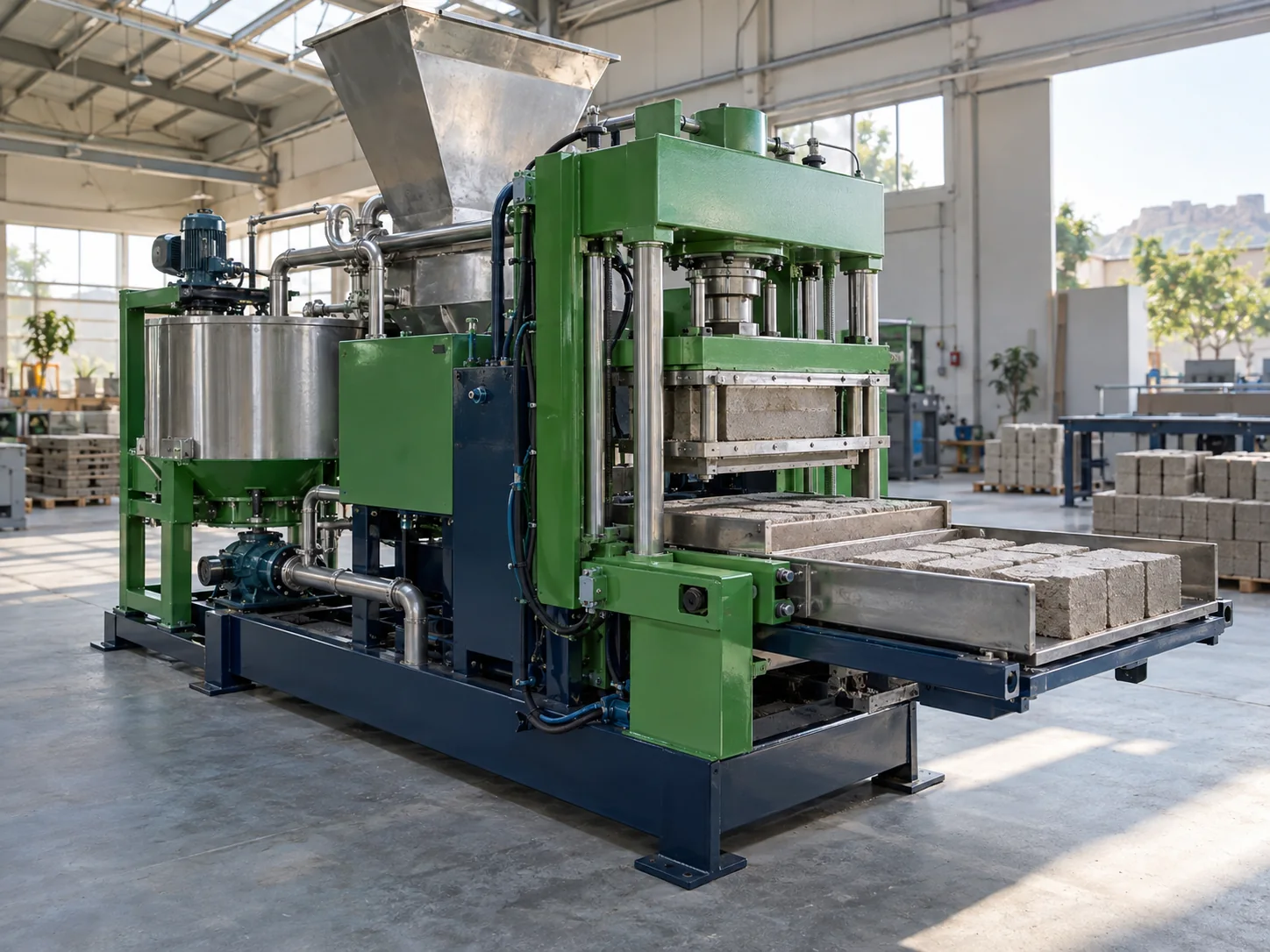
MEW Machines manufactures paper pulp brick making machines for producing eco-friendly bricks and molded products using paper pulp and recycled material. Paper pulp brick making is an innovative application that supports waste utilization and sustainable product manufacturing.
Paper pulp brick making machines are used to process pulp-based material and form it into brick-like products or molded items. These machines are suitable for businesses exploring alternative building materials, recycling-based products, and eco-friendly manufacturing opportunities.
Applications
Important Machinery
Benefits
Why Choose MEW Machines
Paper Pulp Bricks and Briquettes in India
Every paper mill, pulp molding unit and recycling plant in India produces waste that is hard to handle: wet pulper rejects, sludge from the effluent treatment plant, trimmings and paper dust. Loose, it is bulky, messy and costly to store or transport. Our paper pulp brick making machine compresses waste paper pulp under hydraulic pressure into dense, solid bricks and briquettes that are easy to stack, store, move and use.
What the bricks are used for in India
- Fuel briquettes: many Indian industries fire their boilers on biomass briquettes instead of, or alongside, coal. Dried paper pulp briquettes can go into the same boiler, turning a waste stream into fuel. Test the fuel value and ash of your own material with your boiler supplier.
- Waste volume reduction: pressing removes water and air, so the same waste takes far less space in your yard and fewer truck trips to leave the site.
- Easier recycling: compact bricks of clean pulp are easier to store and feed back into pulping later.
- Molded blocks: some buyers mix pulp with binders to make lightweight blocks for non-structural uses. Test and approve any such product locally before using it in construction.
Who buys a pulp brick machine
| Buyer | Waste they press | Main benefit |
|---|---|---|
| Kraft and board mills | Pulper rejects, ETP sludge, trimmings | Less waste to store and haul; possible boiler fuel |
| Egg tray and pulp molding units | Rejected pulp and trimmings | Clean, stackable material to re-pulp |
| Waste paper recyclers | Wet pulp and fines | Compact storage and easier handling |
| Briquetting entrepreneurs | Paper waste collected from mills and presses | A fuel product to sell to local industry |
How the machine works
Wet pulp or paper waste is fed into the mould, and a heavy-duty hydraulic ram presses it into a dense brick. Pressing squeezes out much of the water, and the bricks are then dried in the open or under cover before use. The design is simple and robust, so operators learn it quickly and maintenance is easy. Capacity, brick size and pressure are built to your material and daily volume.
Why it matters in India now
State Pollution Control Boards expect paper and pulp units to manage their solid waste properly, and open dumping or burning of mill waste invites trouble. At the same time, industries across India look for alternatives to coal for their boilers. A brick machine addresses both: it keeps your yard clean and can give you a usable fuel. Check with your pollution control board and boiler supplier how pressed pulp can be used or disposed of in your state.
Setting up
- Power: three-phase 415V for the hydraulic power pack.
- Space: a feed area, the press, and a drying yard or covered racks for the bricks.
- Water: pressed-out water can go back to your pulping system or effluent plant.
- Approvals: if you run a stand-alone briquetting unit, register under Udyam and GST and check pollution control board requirements.
Delivery and support across India
We build the machine in Jaipur and deliver by road to any state, and we guide installation and the first runs on your own waste, because moisture and fibre type decide the right pressing time and brick size.
How much waste do you have?
Before choosing a machine, measure your waste for a few weeks: how many kilos of rejects, sludge and trimmings leave the plant each day, and how wet they are. Wet sludge weighs far more than the fibre in it, so the dry-weight figure is what decides the size of the press and the number of bricks you will make. Send us these figures and a photo of the material, and we can size the machine properly.
Drying and storing the bricks
Pressed bricks still hold moisture. For fuel use they must be dried, in the sun on racks or in a covered, ventilated shed, until they burn cleanly. Stack them off the ground and under cover in the monsoon so they do not soak up water again. Dry, well-stacked bricks store for months without trouble.
Using pulp bricks as boiler fuel: what to check
- Moisture: the drier the brick, the better it burns.
- Fuel value: have a sample tested so you know how it compares with your present fuel.
- Ash: paper with fillers and coatings leaves more ash; check your boiler can handle it.
- Feeding: brick size should suit your boiler’s feeding system; we build the mould to the size you need.
Running costs and mistakes to avoid
Running costs are low: electricity for the hydraulic power pack, labour to feed and stack, and drying space. The common mistakes are pressing material that is far too wet, which slows the cycle and gives soft bricks; leaving bricks uncovered in the rain; and not agreeing with your boiler supplier or pollution control board how the bricks will be used.
Where the machine fits in your plant
In a paper or pulp molding plant, the brick machine usually sits near the pulper reject outlet or the ETP sludge bed, so waste goes straight from the source into the press without extra handling. Pressed-out water returns to the pulping system or the effluent plant, and finished bricks move to a drying area. Planning this layout at the start saves labour every day.
A stand-alone briquetting business
Some entrepreneurs set up a pulp brick unit as a separate business: they collect paper waste, rejects and dust from mills, printing presses and packaging units in their area, press and dry it, and sell the briquettes to local industries that burn biomass in their boilers. Success depends on a steady waste supply, dry storage and buyers who have tested the fuel in their boilers. Talk to both suppliers and buyers before investing.
Brick size and mould options
The brick size is set by the mould. Smaller bricks dry faster and suit boilers with small feed openings; larger bricks press more waste per cycle and suit plants that mainly want to reduce volume. We build the mould and pressing force to your material and use, and extra moulds can be supplied later if your needs change.
Safe operation
Hydraulic presses work at high pressure, so train operators to keep hands clear of the mould, never bypass guards, and switch off the power pack before cleaning or changing moulds. Check hoses and fittings regularly for leaks. Simple routines like these keep the machine and your team safe for years.
What decides the cost
We quote every machine to your material and volume, so we don’t publish a fixed price. Daily throughput, brick size, pressing force and the level of automation decide the cost. Tell us what waste you have and how much, and we will send a machine proposal.
FAQs
What is the paper pulp brick machine used for?
It presses waste paper pulp, rejects and sludge into dense bricks and briquettes that are easy to store, move and use as boiler fuel or re-pulp later.
Can pulp bricks be used as boiler fuel?
Dried paper pulp briquettes can be burnt in biomass boilers. Check the fuel value and ash of your own material with your boiler supplier and pollution control board.
What is a paper pulp brick making machine?
It is a machine used to form pulp-based material into brick-like or molded products for eco-friendly applications.
What raw material is used?
Paper pulp, recycled paper material, and suitable fiber-based material may be used depending on the product requirement.
Can MEW Machines provide quotation support?
Yes. MEW Machines can provide quotation support based on machine requirement, raw material, and production capacity.
Discuss your requirements
Plan your Paper Pulp Brick Making Machine project.
Share the material you process and the output you need for a tailored quotation.