
Product range · manufacturer in India
Kraft Paper Mill Machine Manufacturer in India
A complete range for kraft paper production, from pulping and Fourdrinier forming through pressing, drying and rewinding.
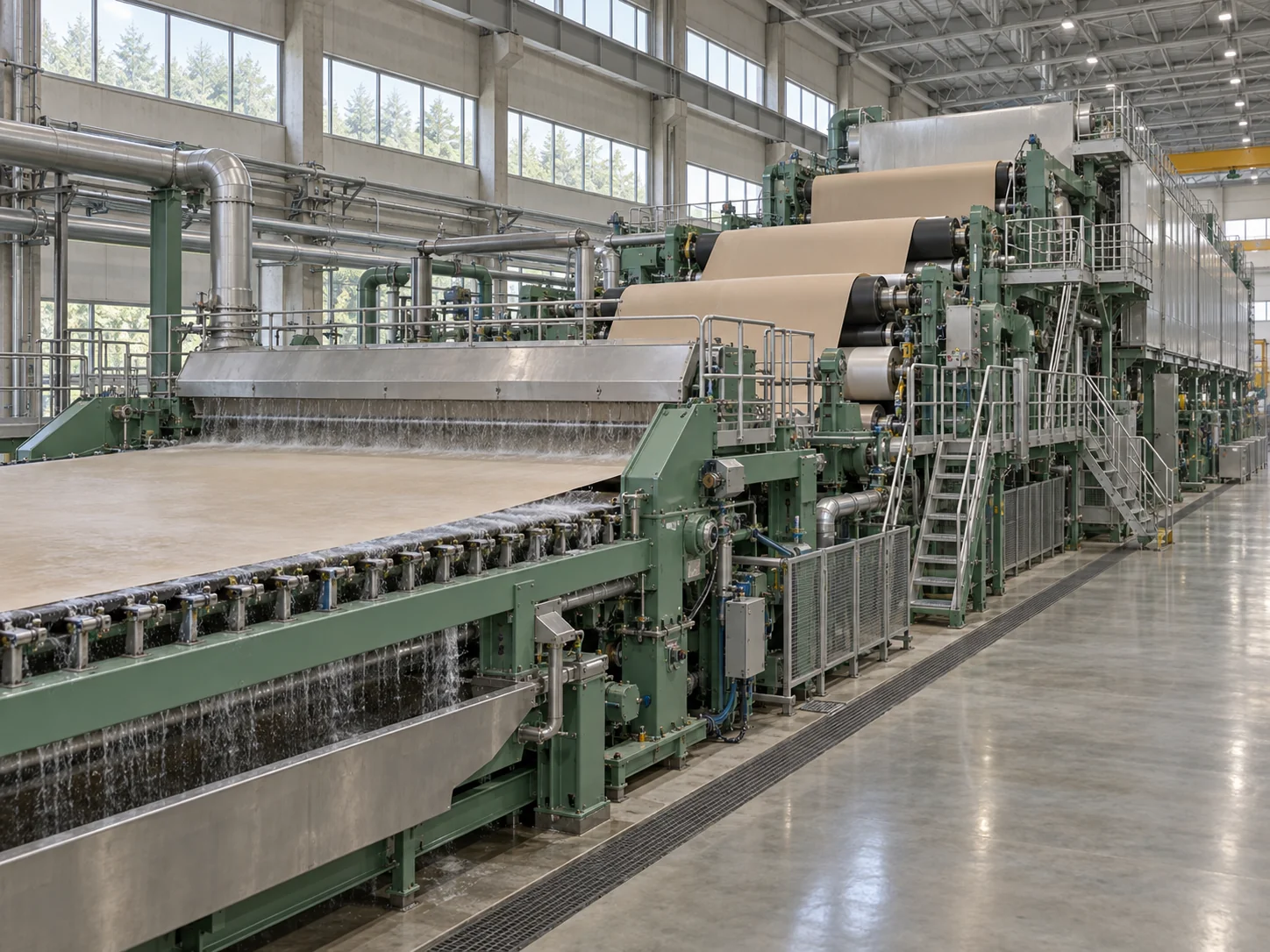 Representative imagery
Machines in this range
Explore the
equipment.
9 machines in this range. Select a machine to review its available details, then tell us your material and capacity for a tailored quotation.
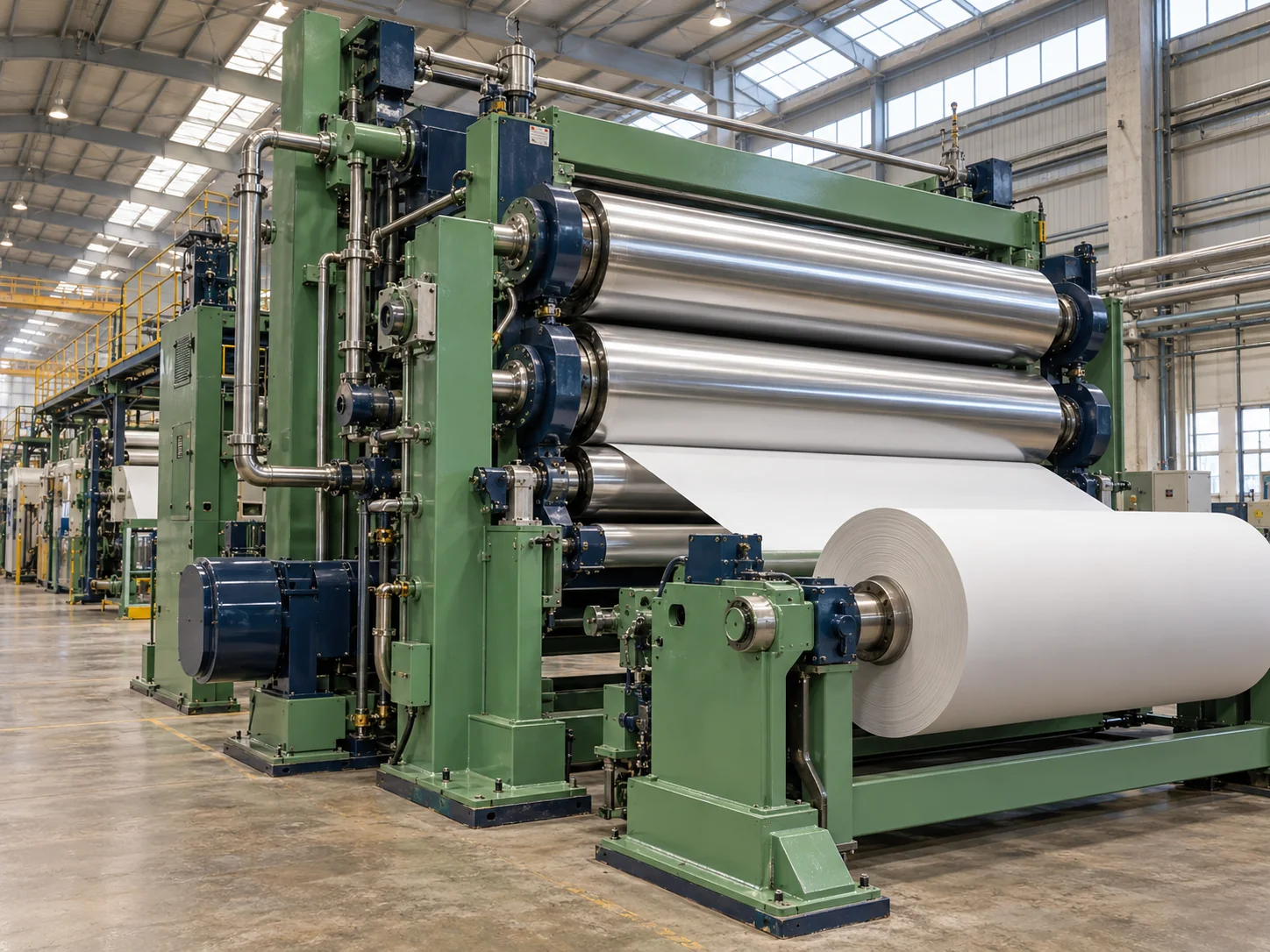 Calendaring MachineThe Calendaring Machine smooths and finishes the paper by passing it through pressure rolls, controlling thickness and improving surface gloss in a paper making line.View details02
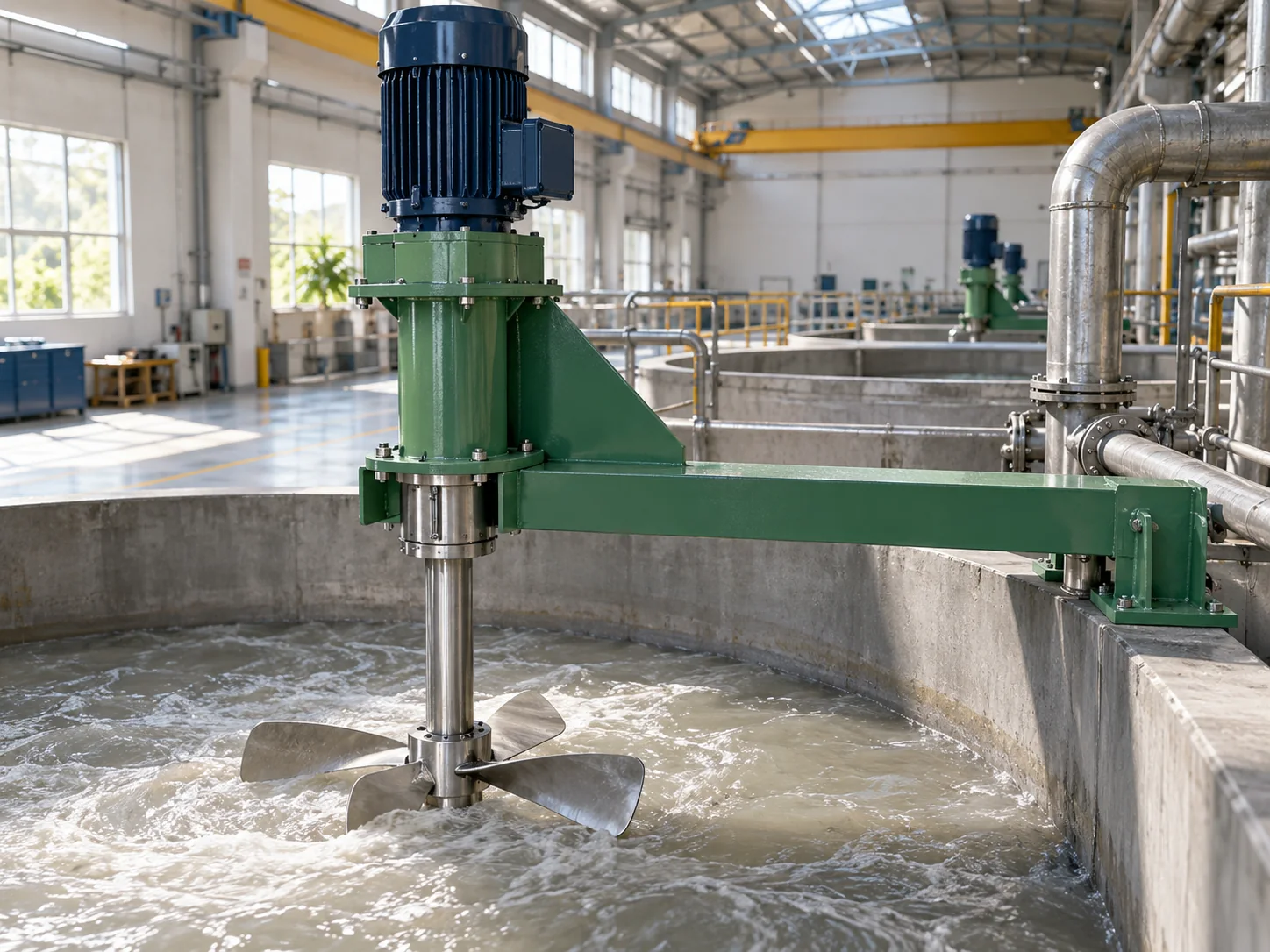 Chest AgitatorThe Chest Agitator keeps pulp stock uniformly mixed inside chests and tanks of a kraft paper mill, preventing fibre settling and maintaining a consistent slurry.View details03
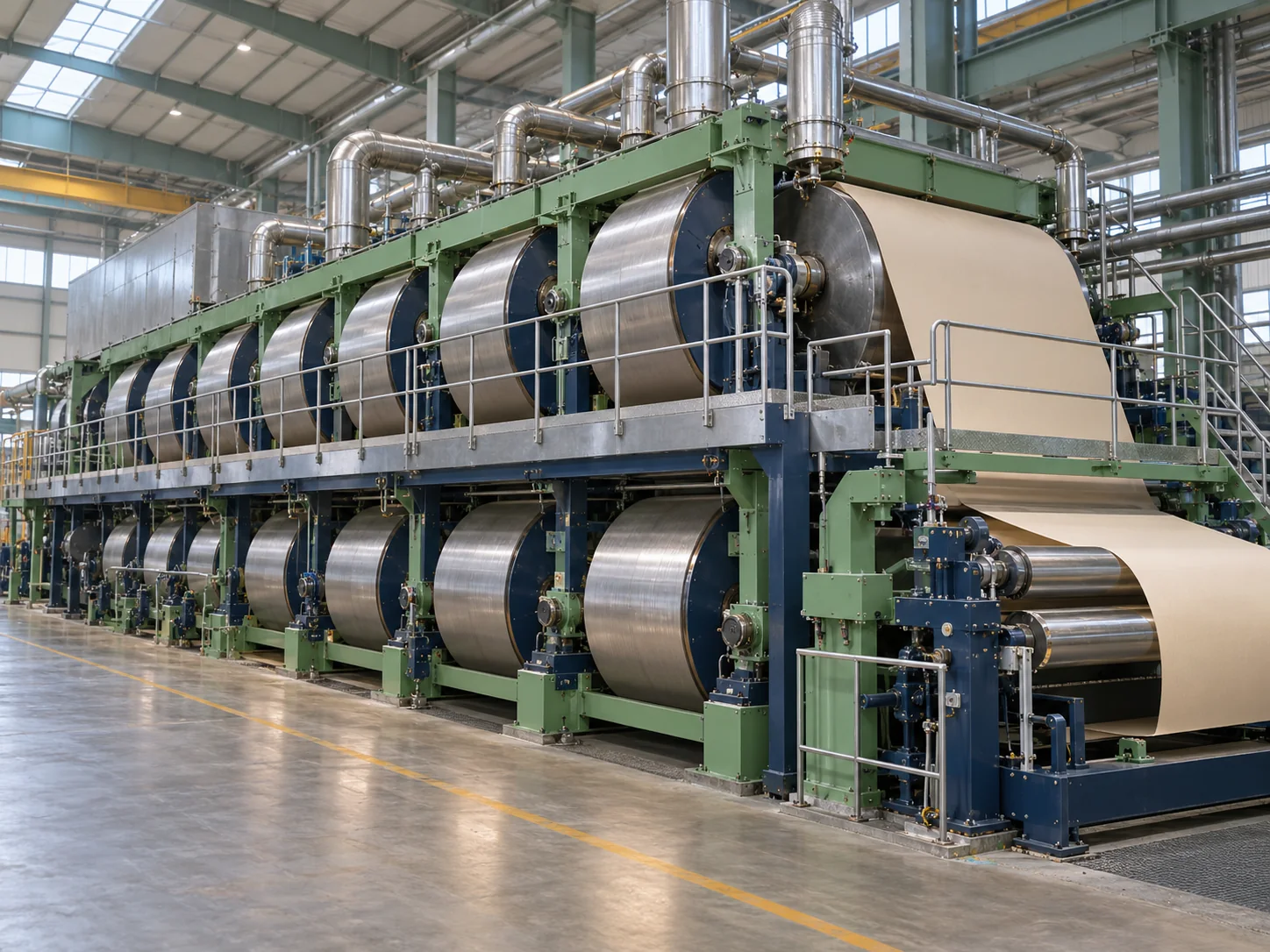 Dryer SectionThe Dryer Section is the drying stage of a kraft paper mill, where steam-heated cylinders remove moisture from the wet web to produce a finished, dry sheet.View details04
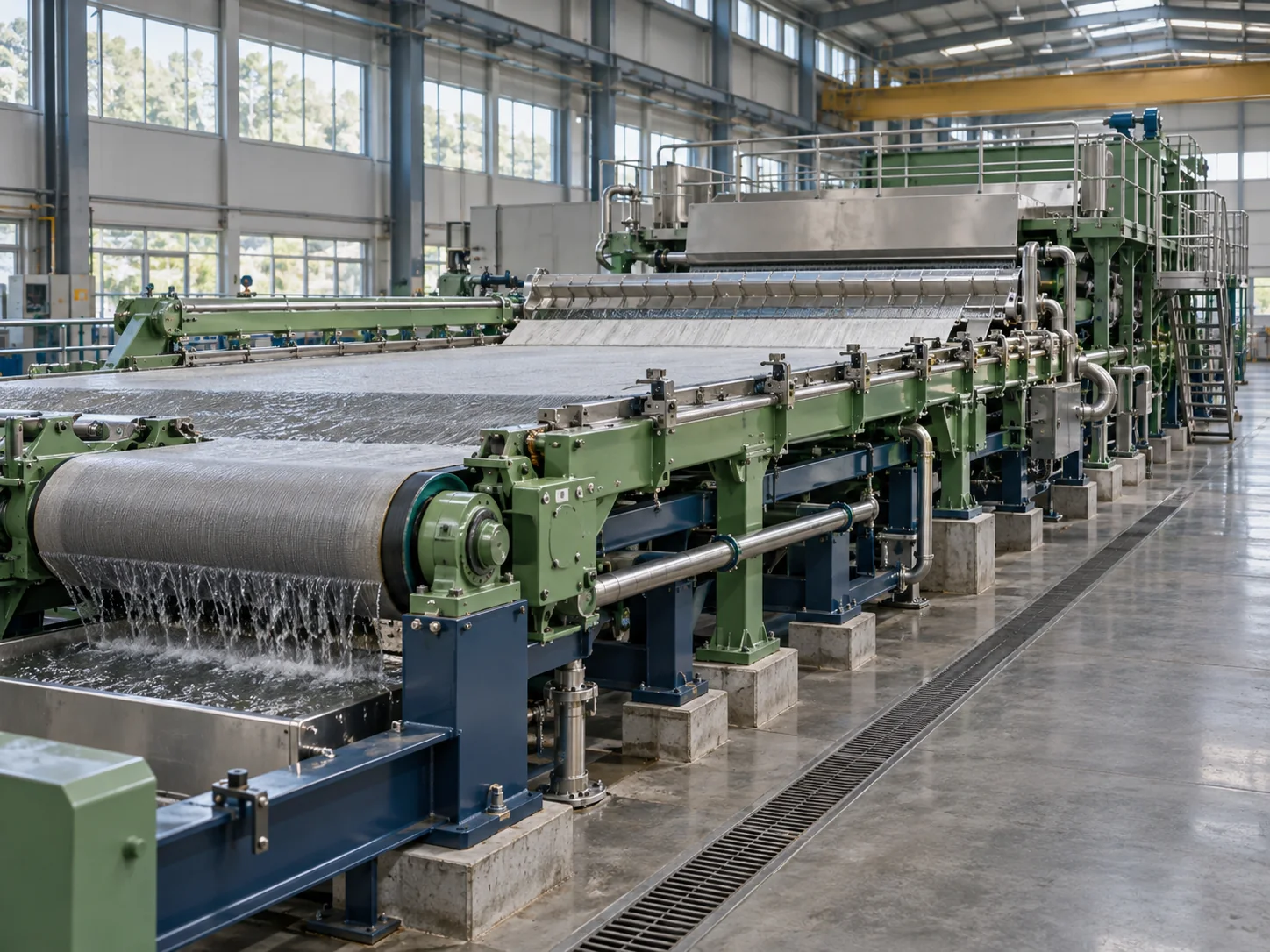 Fourdrinier Wire-PartThe Fourdrinier Wire-Part is the forming (wire) section of a paper making line, where the pulp slurry drains on a moving wire to form the wet paper web.View details05
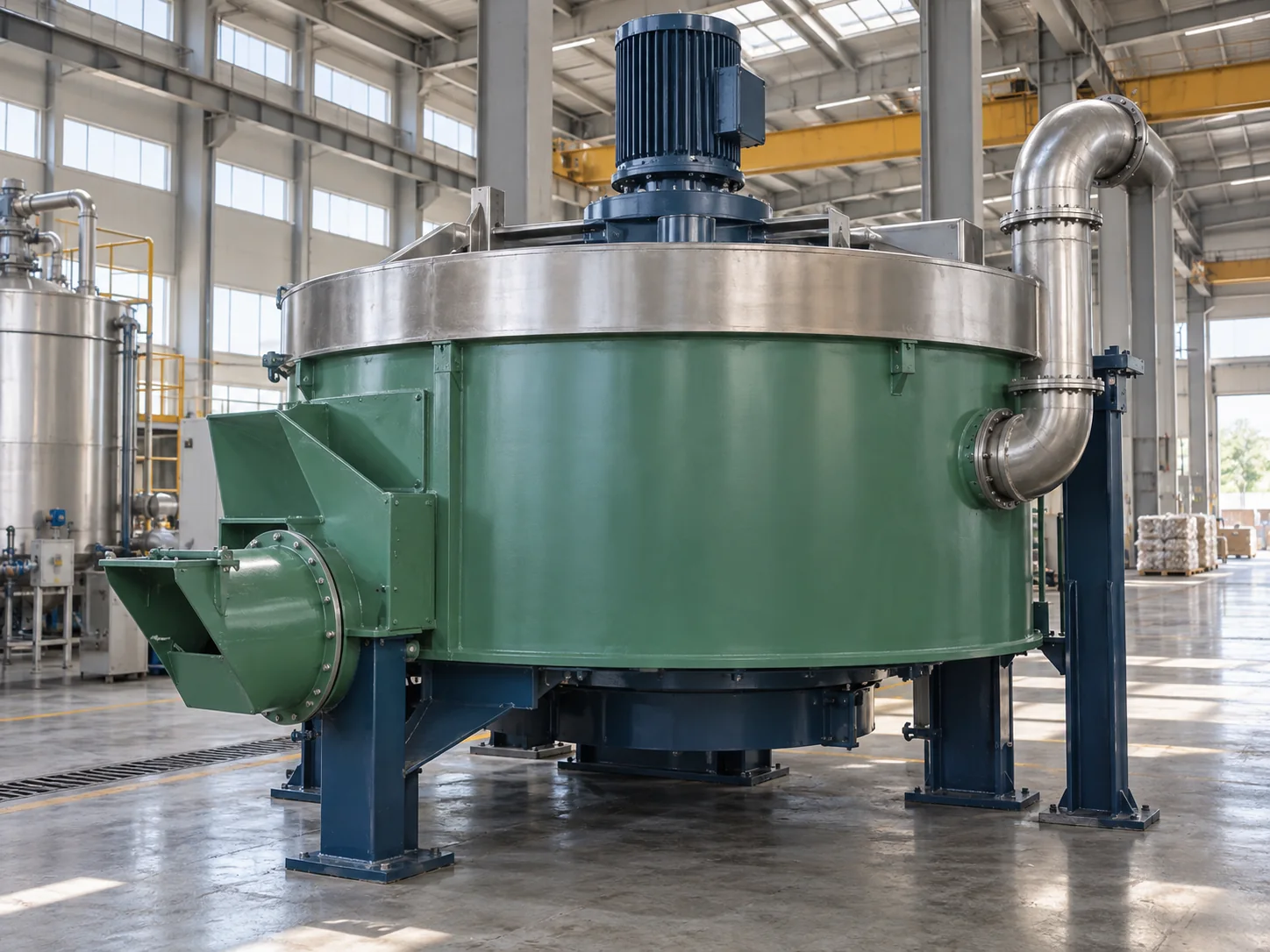 MEW Pulper Of Kraft Paper Making MachineThe MEW Pulper Of Kraft Paper Making Machine is a high-efficiency pulper that breaks down waste paper, kraft and board into a uniform fibre slurry in the stock-preparation stage of a kraft paper mill.View details06
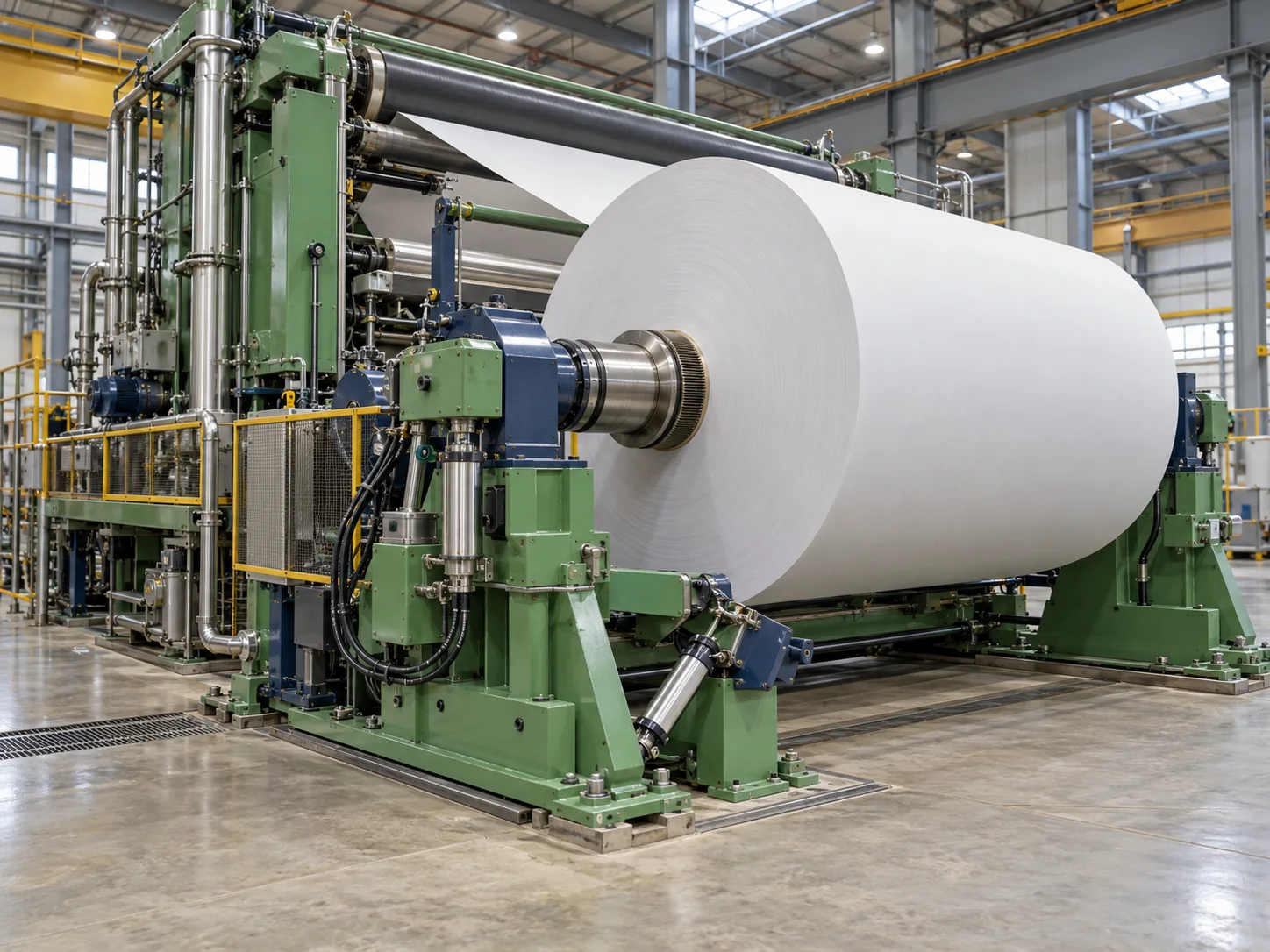 Pope ReelThe Pope Reel is the reeling section of a paper making line, winding the finished paper into a large parent reel at the end of the machine.View details07
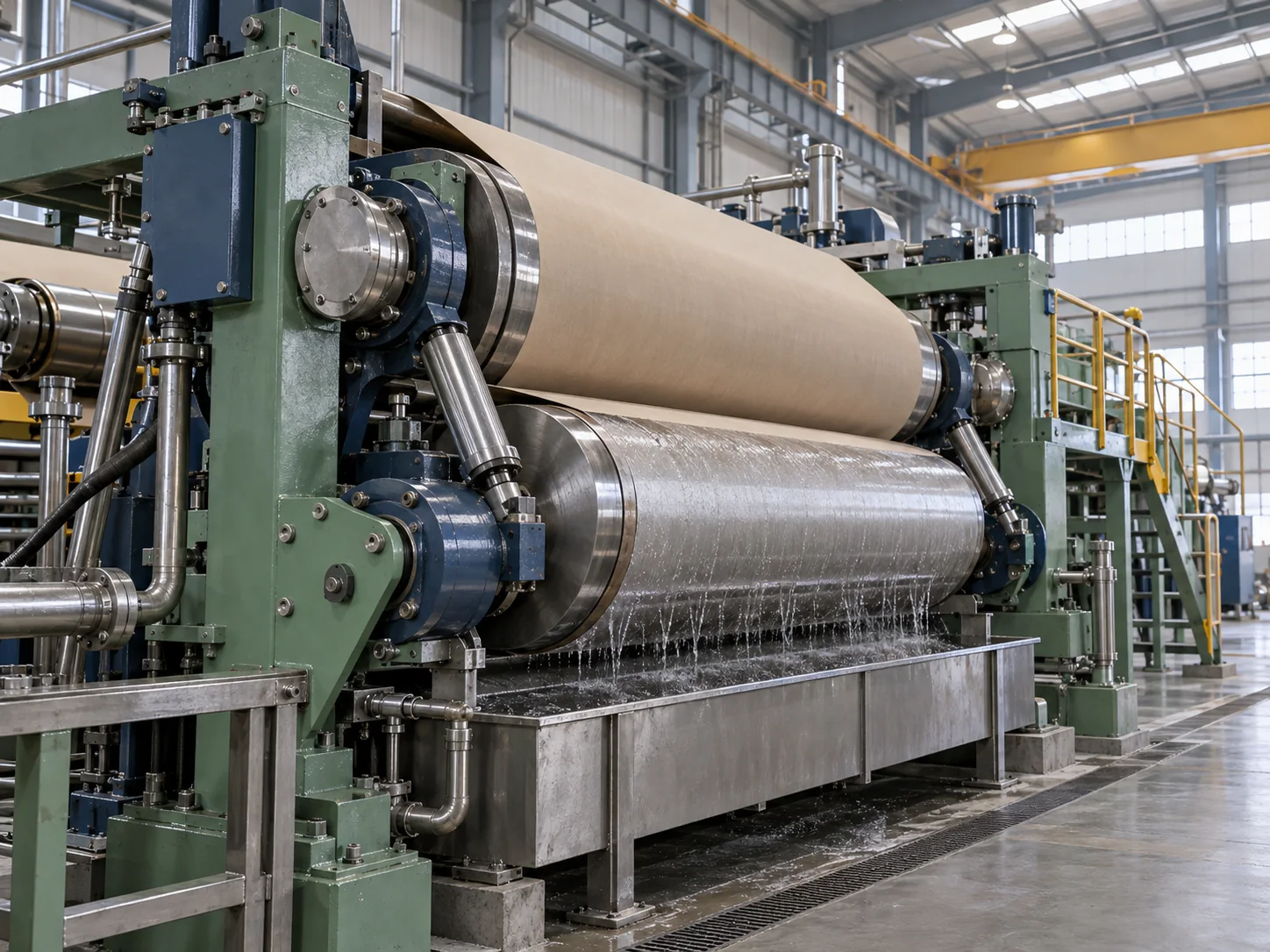 Press SectionThe Press Section mechanically removes water from the wet web by pressing it between rolls, raising sheet dryness before the dryer section of a kraft paper mill.View details08
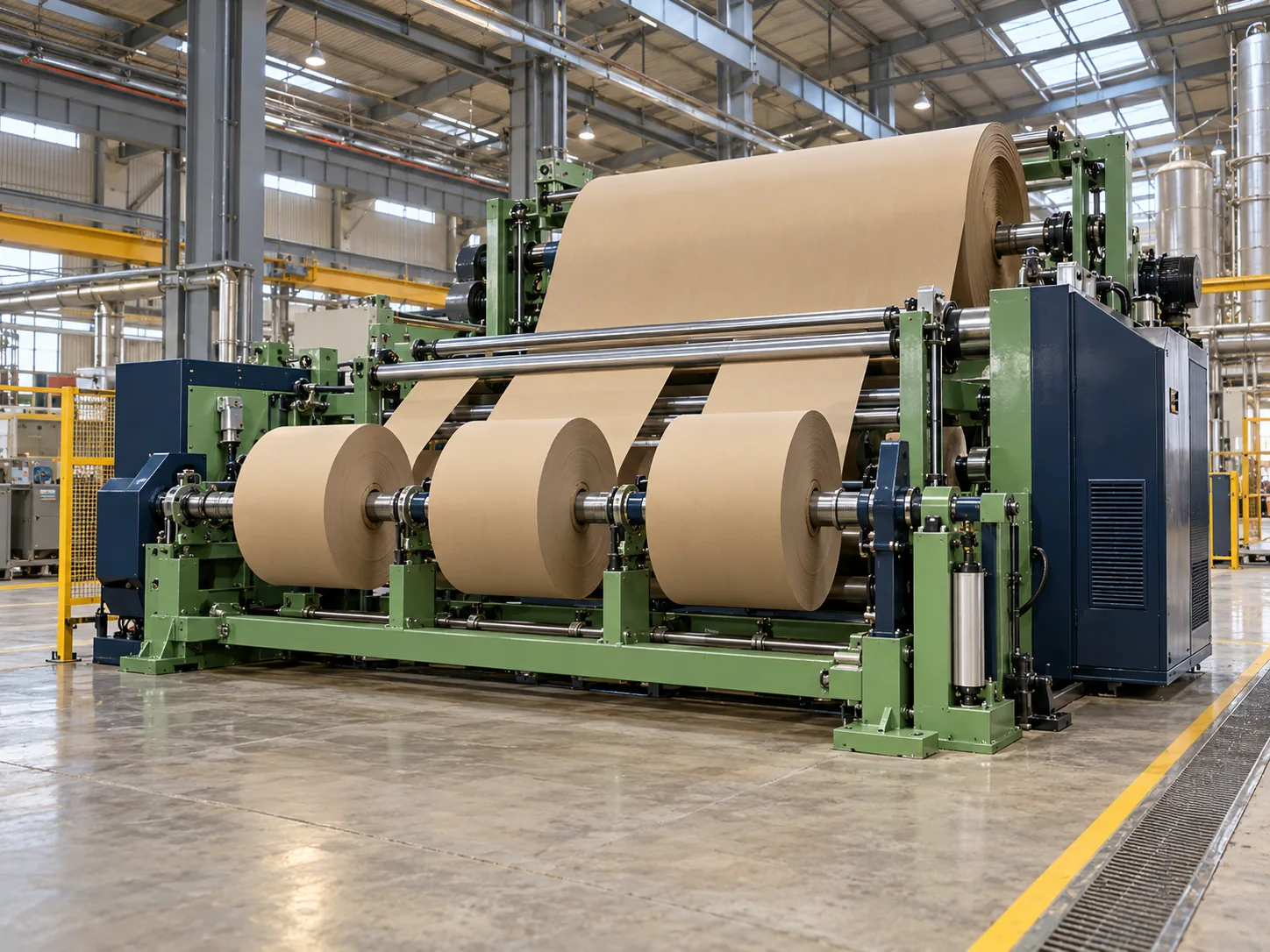 Rewinder Kraft Paper Making PlantThe Rewinder Kraft Paper Making Plant unwinds the parent reel and rewinds the paper into smaller, tightly wound rolls of the required width and diameter in a paper making line.View details09
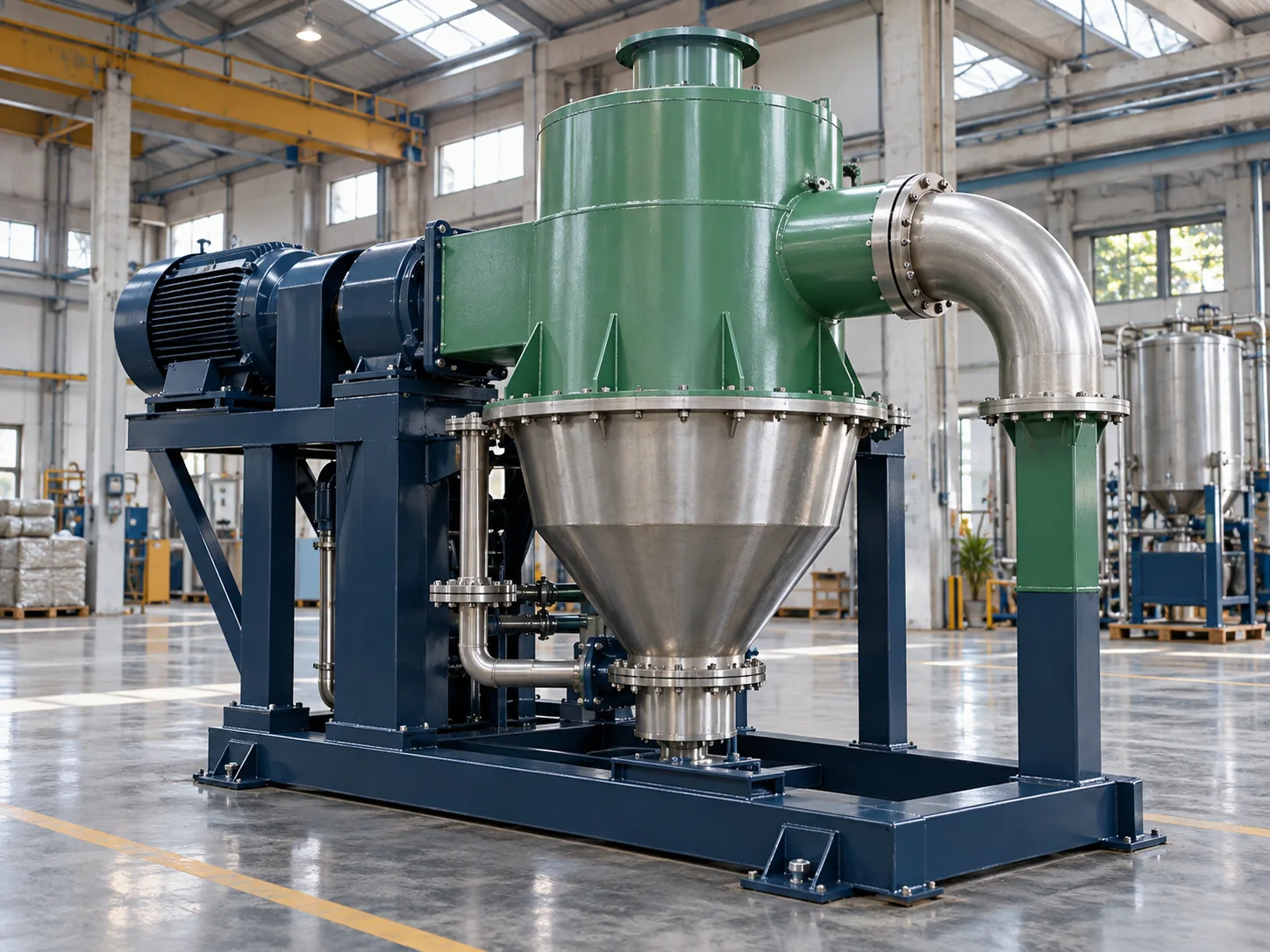 Turbo SeparatorThe Turbo Separator is a high-consistency pulping and cleaning unit that separates good fibre from plastics, grit and rejects, protecting downstream equipment in a kraft paper mill.View details
 ABOUT THIS RANGE
Kraft Paper Mill Machine Manufacturer in India
MEW Machines is a kraft paper mill machine manufacturer in India, supplying machinery and equipment for kraft paper production plants. Our kraft paper machinery range is designed for paper mills, packaging paper manufacturers, recycling units, and industrial paper production businesses that require reliable machines for consistent output.
Kraft paper is widely used for packaging, corrugated boxes, paper bags, wrapping paper, and industrial-grade paper products. To manufacture kraft paper efficiently, a paper mill requires a complete combination of pulp preparation equipment, machine section machinery, press and dryer sections, and finishing equipment. MEW Machines provides machinery for different stages of this production process.
Applications
Important Machinery
Why Choose MEW Machines
Kraft Paper Plants for the Indian Market
Almost every corrugated box in India starts as a reel of kraft paper. E-commerce parcels, FMCG cartons, pharmaceutical shippers, ceramic tile boxes, fruit and vegetable crates and electronics packaging all run on it, and demand grows with every new box plant. Most of this paper comes from recycled-fibre mills that turn waste paper into brown kraft on a Fourdrinier machine, which is exactly the kind of plant MEW Machines builds in Jaipur.
This section explains how Indian buyers plan a kraft paper plant: how the paper is specified, where the raw material comes from, what the plant needs besides the paper machine, and how we deliver and support it anywhere in India.
How kraft paper is specified in India
Indian box makers buy kraft paper by GSM (grams per square metre) and BF (bursting factor), along with shade (natural brown or golden) and reel width. A corrugator making export cartons asks for a higher BF than one making light retail boxes. Your GSM and BF range decides most of the plant design: the refining in the pulp section, the wire and press design, the number of dryer cylinders and the machine speed.
Our 20 TPD kraft paper plant is built for 90–150 GSM on a 1000–2000 mm deckle, and our 10 TPD machine is rated on 120 GSM at 85% machine efficiency. If you plan a different range, tell us your target GSM, BF and daily output before we size the line.
Where Indian kraft mills are, and why location matters
Well-known kraft paper clusters include Muzaffarnagar and Meerut in Uttar Pradesh, and Morbi and Vapi in Gujarat, where tile and industrial packaging keep demand high. Mills also run across Punjab, Maharashtra, Tamil Nadu and other states. What matters for a new plant is distance: waste paper comes in by truck and reels go out by truck, so a site close to both scrap supply and box makers keeps freight low and working capital small.
Raw material for Indian kraft paper
- Indian waste paper: old corrugated boxes, box-plant cuttings and mixed waste collected through the scrap (kabadiwala) network.
- Imported OCC: many mills blend imported old corrugated containers for strength when Indian supply is short.
- Agro residue: with the right pulping section, plants can also use wheat straw, bagasse or bamboo, which our 20 TPD plant is designed to handle.
The pulp section is where furnish is cleaned and prepared. We build the pulper, turbo separator and chest agitators to suit the waste paper you actually buy, not an ideal grade.
What a kraft paper plant needs besides the paper machine
| Item | What to plan |
|---|---|
| Steam | Dryer cylinders run on steam. Most Indian mills fire a boiler on coal, rice husk or other biomass; size it with the dryer section. |
| Power | A 20 TPD plant draws 250–300 kW connected load, so most plants need an HT connection from the state discom. |
| Water and ETP | Paper making uses water in pulping and forming. Plan white-water reuse and an effluent treatment plant, which the pollution control board will ask for. |
| Shed and storage | A long, clear shed for the machine line, plus covered storage for waste paper bales and finished reels. |
| People | A machine tender and crew for each shift; most kraft plants run round the clock. |
Approvals for a kraft paper unit in India
Before you build, register the business (Udyam registration for MSMEs, and GST), apply to your State Pollution Control Board for Consent to Establish, and get your factory licence and power connection sanctioned. Once the plant is ready, you need Consent to Operate before production starts. The consent conditions depend on your capacity and process, so talk to the board early; our layout and machine list help with the application.
Financing the plant
Most kraft plants are financed with a bank term loan for machinery and a working capital limit for waste paper stock. Micro and small units can often use the CGTMSE guarantee to reduce collateral, and many states offer capital or interest subsidies for new manufacturing units under their industrial policies. Your bank and District Industries Centre can confirm what applies to your project.
Delivery, installation and service across India
We build every section in our own workshop in India and deliver by road to any state. A 10 TPD machine takes about 5–9 months to build and a 20 TPD plant about 220 days, depending on specification. We guide erection and commissioning at your site, and because we make the machine ourselves, spares, upgrades and later capacity additions come from the same workshop.
Single sections or a complete plant
You do not have to buy everything at once. Some mills start with a used machine and replace one section at a time: a new dryer section for more speed, a press section for better dryness, or a pope reel and rewinder for clean reels. Send us your current machine details and we will quote the section that removes your bottleneck.
Running costs to plan for
The machine price is only the start. In a working kraft mill, the monthly bill is driven by five things: waste paper (the largest cost), steam fuel for the boiler, electricity, chemicals and labour. Waste paper prices move with the season and with import prices, so most mills keep two to four weeks of stock. Fuel choice matters too: rice husk and other biomass are cheaper than coal in many regions, but need a boiler designed for them. Plan these costs in your project report before you order the machine, so the bank and you see the same numbers.
Mistakes first-time mill owners make
- Ordering the machine before the power sanction: an HT connection can take months. Apply early.
- An undersized boiler: the dryer section can only run as fast as steam allows. A small boiler caps your output.
- Skipping the ETP: without effluent treatment, Consent to Operate is delayed and the plant sits idle.
- Buying whatever waste paper is cheapest: dirty, mixed furnish lowers BF and raises breaks. Sort and grade your raw material.
- No room to grow: leave space in the shed and on the boiler and power sanction for a second machine or a wider deckle later.
10 TPD or 20 TPD?
A 10 TPD machine suits a first mill, a box maker who wants its own paper, or a site with limited power and water. It needs a smaller boiler, a smaller shed and less working capital. A 20 TPD plant spreads the fixed costs of staff, boiler and ETP over twice the output and gives a wider deckle for more reel sizes, but needs a bigger power sanction and a steady waste paper supply of well over 20 tonnes a day. If you are unsure, plan the building, boiler and ETP for 20 TPD and start with the smaller machine.
What decides the cost of a kraft paper plant
We quote every plant to your requirement, so we don’t publish a fixed price. The main factors are daily capacity, deckle width and machine speed, the number of dryer cylinders, the pulp section your furnish needs, the drive system and the finishing equipment. Share your GSM/BF range, capacity and raw material and we will send a machine list and layout.
FAQs
Which GSM and BF can your kraft paper plant make?
Our 20 TPD plant is built for 90–150 GSM on a 1000–2000 mm deckle. The BF you reach depends on your furnish and refining, so tell us your target GSM and BF range and we will size the pulp section and machine for it.
Do you supply kraft paper plants outside Rajasthan?
Yes. We deliver by road from Jaipur to any state in India and guide erection and commissioning at your site.
What machines are required for a kraft paper mill?
A kraft paper mill usually requires pulping equipment, screening and cleaning equipment, wire section, press section, dryer section, calendaring machine, pope reel, and rewinder.
Can MEW Machines supply individual kraft paper mill machines?
Yes. MEW Machines supplies individual machines as well as machinery support for paper plant setup.
Does MEW Machines export kraft paper mill machinery?
Yes. MEW Machines supplies paper machinery to Indian and international buyers.
Discuss your requirements
Plan your Kraft Paper Mill Machine project.
Share the material you process and the output you need for a tailored quotation.