
MEW Machines
Pulp Moulding Tableware Machine in the UAE
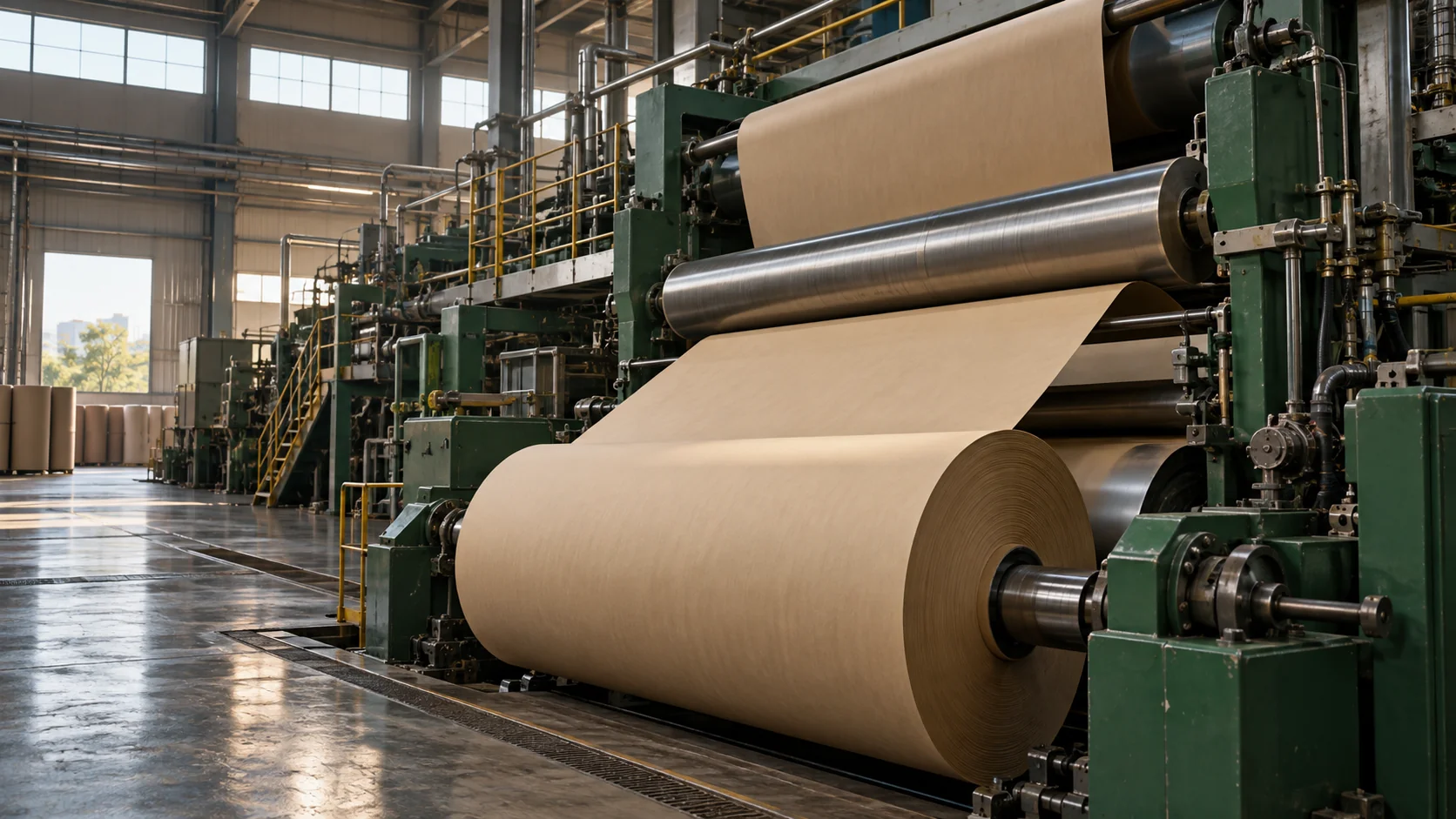
MEW Machines builds pulp moulding machines in Jaipur, India, that make plates, bowls and trays from bagasse, banana fibre or waste paper pulp. For buyers in the UAE, where many single-use plastic food products have been banned since January 2026, a molded fibre line is a way to make the alternatives locally instead of importing them.
Our lines run on the UAE’s 400V, 50Hz supply and ship by sea to Jebel Ali.
Get a quote on WhatsApp Request a quotation
The UAE single-use plastic ban
Under Ministerial Resolution No. 380 of 2022, the UAE banned single-use plastic bags from January 2024. From 1 January 2026 the ban was extended to single-use plastic plates, cutlery, beverage cups and lids, straws, stirrers and Styrofoam food containers. Restaurants, caterers, hotels and food delivery businesses now need fibre, paper or other approved alternatives, and molded pulp plates, bowls and trays are among the most common.
Check the current rules and product standards with the Ministry of Climate Change and Environment or your emirate’s authority before you plan a product range.
Pulp moulding lines we build
| Line | Output | Mould / table size | Power | Ready to ship |
|---|---|---|---|---|
| Tableware molding machine (vacuum forming, forming + cutting) | 20 pieces/minute, plates up to 12 inch | Plate moulds | 50 kW, electric heating | 90 days |
| Automatic pulp moulding line (forming + drying press) | 1,500–1,800 pieces/hour (about 400 kg/day) | 700 × 700 mm work table | 100 kW connected, 60–70 kW running | 120–150 days |
| Pulp moulding machine, 4 moulds (PLC, hot-press drying) | 600 pieces/hour, 15–20 second cycle | 400 × 400 mm, or to your design | Confirmed in quotation | 4–6 months |
Every line is built to order. Tell us the products and daily output you need and we will size the line and the moulds.
What you can make
- Plates: round and compartment plates up to 12 inch.
- Bowls and trays: food trays and bowls for catering and delivery.
- Packaging: with other moulds, fruit trays, cup carriers and protective inserts.
Each product needs its own mould. Moulds are made to your design and quoted separately.
Raw material: bagasse, banana fibre or waste paper
Molded tableware is made from fibre pulp. The UAE does not grow sugarcane, so most local producers either import baled bagasse pulp or use waste paper pulp for lower grades. We build the pulp preparation to suit the fibre you plan to use:
- Bagasse or bamboo pulp: imported pulp board is broken down in a hydro pulper.
- Banana fibre: our banana fibre line covers stem cutting, fibre extraction, digesting and beating.
- Waste paper: a pulper and refiner prepare recycled fibre for packaging grades.
The machines in a tableware plant
- Pulp preparation: pulper, beater or refiner, depending on the fibre.
- Forming: the multifunctional tableware pulp molding machine forms the wet product on heated moulds.
- Hot pressing: the double station hydraulic hot press dries and shapes each piece for a smooth, firm finish.
- Trimming and packing: edges are trimmed and the finished pieces are counted and packed.
- Offcuts and rejects: the dual shaft shredder breaks down rejects and packaging waste so the fibre can go back into the pulper.
Setting up in the UAE
- Location: an industrial area or free zone with a manufacturing licence and a three-phase 400V connection.
- Food contact: tableware touches food, so check the product standards and any registration your emirate requires before launch.
- Water: pulp moulding uses water in pulp preparation; plan a settling tank to reuse it.
We send a layout with your quotation, so you can plan the floor, power and water before you sign a lease.
What decides the cost of a pulp moulding line
We quote every line to your products and output, so we don’t publish a fixed price. The main factors are the number of forming stations, the level of automation, the hot press, the number of moulds and the pulp preparation your fibre needs. Your quotation is ex-works Jaipur; UAE customs duty, VAT, clearing and inland transport are handled by your clearing agent.
Shipping to the UAE
| Item | Details |
|---|---|
| Port of discharge | Jebel Ali (Dubai); Khalifa Port (Abu Dhabi) or Sharjah on request |
| Lead time | 90 days to 6 months from order confirmation to dispatch, depending on the line |
| Documents | Commercial invoice, packing list, bill of lading, certificate of origin |
Also looking at egg trays? See our egg tray making machines for the UAE, or all our export markets.
FAQ
Which plastic products are banned in the UAE?
Since 1 January 2026, single-use plastic plates, cutlery, beverage cups and lids, straws, stirrers and Styrofoam food containers, in addition to the earlier ban on single-use plastic bags. Check the latest list with the Ministry of Climate Change and Environment.
How many plates can a pulp moulding machine make?
Our lines range from 600 pieces per hour to 1,500–1,800 pieces per hour, and the tableware molding machine makes about 20 plates a minute. We size the line to your daily output.
Can I use bagasse in the UAE?
Yes, as imported bagasse pulp board. We build the pulper to suit the fibre you choose, including banana fibre and waste paper.
Will the machines run on UAE power?
Yes. The UAE supplies 400V three-phase at 50Hz, the same frequency we build for in India.
How much does a pulp moulding tableware machine cost?
It depends on the products, output, automation and number of moulds, so we quote each line separately. Send us the products and daily output you need.
Get a quote
Send us the products you want to make, the daily output, the fibre you plan to use and your emirate. We will reply with a machine list, a layout and a quotation.
[mew_form type=”quote”]